Loading...
Unit 3: Recovery & Reciprocity: Ecology, Science & Our Natural World
California CCSS: Focus Standards
ELD Standards
- Unit Type
- Research
- Suggested Pacing
- 9 Weeks
- Performance Task
- Research-Based Multimedia Presentation
Suggested Pacing
| Unit Arc | Instructional Time | Essential Question | Key Milestones |
|---|---|---|---|
Spark | 3 lessons | What is our relationship with the natural world, and what can Indigenous knowledge teach us about reciprocity? |
|
Investigation 1 | 22 lessons | How does understanding reciprocity between humans and nature change the way we live? |
|
Investigation 2 | 10 lessons | How can research deepen our understanding of reciprocity and balance in human and natural systems? |
|
Unit Context
Knowledge Building Topic
Reciprocity and Restoration: How ecology, scientific observation, and cultural knowledge illuminate the connections between human beings and natural systems.
I'm Learning About
how ecosystems model balance and mutual benefit.
how science and Indigenous knowledge work together to reveal interdependence in the natural world.
how observation, reciprocity, and care for natural systems develop environmental stewardship.
how recovering and applying traditional knowledge can inform ecological restoration.
Knowledge Goals
Analyze how informational texts define and demonstrate reciprocity between human beings and natural systems.
Explain how human actions influence ecological balance, drawing on scientific evidence and narrative accounts.
Evaluate and synthesize multiple sources to compare different interpretations of the same ecological topic.
Conduct sustained research and present findings clearly using credible sources, supporting evidence, and a multimedia presentation.
Knowledge-Building Questions
How do living systems model reciprocity and balance—and what do science and Indigenous knowledge each reveal about these relationships?
How have historical changes affected the way communities understand and practice reciprocity with the natural world?
How do different disciplines and traditions understand the same ecological process, and what can we learn from understanding both?
How can research and evidence from multiple sources help us understand and explain a human-environment relationship?
Essential Questions
Investigation 1: What does it mean to live responsibly within natural systems?
Investigation 2: How do different disciplines and traditions, including scientific inquiry and cultural knowledge, help us understand our relationship to the natural world?
Unit Texts
Novel
Braiding Sweetgrass (Young Readers' Edition)
Robin Wall Kimmerer
Short-Form Text
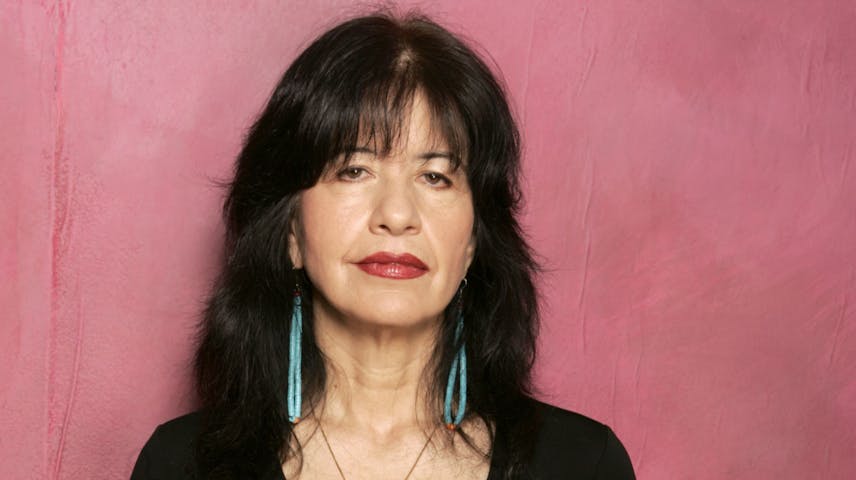
Don’t Bother the Earth Spirit
Joy Harjo
Read text
Short-Form Text
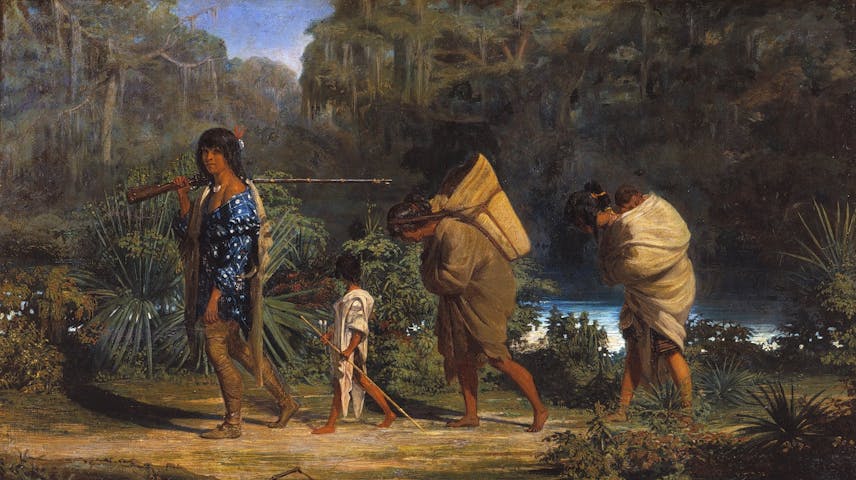
Indian Treaties and the Removal Act of 1830
Office of the Historian, U.S. State Department, adapted by Newsela
Read text
Short-Form Text
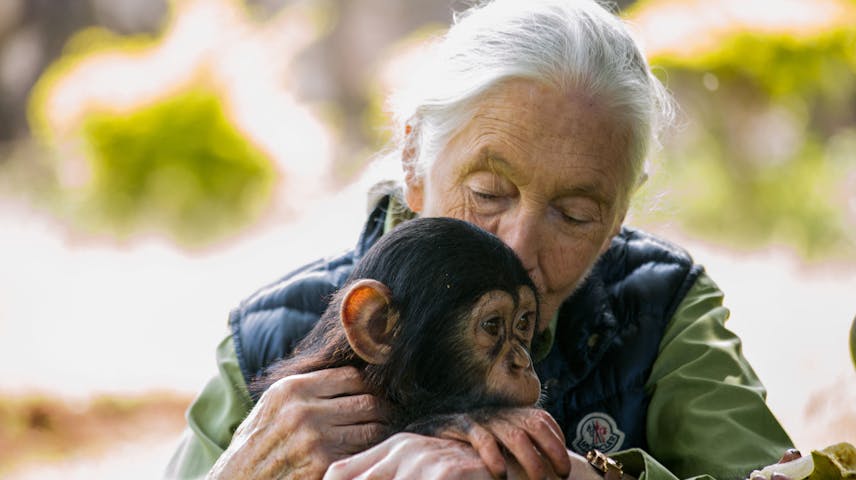
Jane Goodall Taught Us to See the Natural World. Now It’s Our Turn to Act.
Jeff Corwin, USA Today
Read text
Short-Form Text
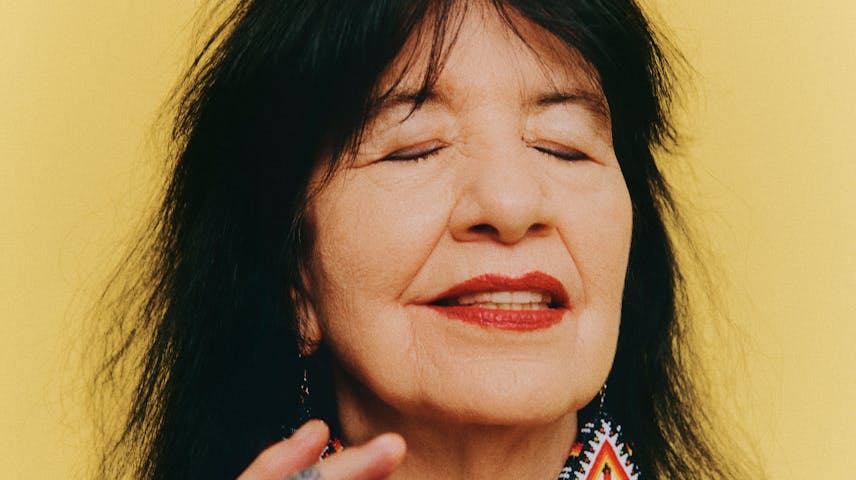
Perhaps the World Ends Here
Joy Harjo
Read text