Loading...

ELA Core 8th Grade
Course Overview
The Grade 8 Core ELA course is the culminating stage of the middle school progression (Self → Belonging → Systems), preparing students to analyze complex literature and historical narratives through the lens of power, memory, and civic responsibility. Students examine how systems form, evolve, and can be reimagined — and how storytelling helps societies preserve what matters, evaluate what has gone wrong, and envision what comes next. At the heart of the course is a central question: How do we use stories to remember, to think critically, and to imagine a better future?
Key Focus
Analyzing how authors use diverse narrative forms to explore civic memory, the uses and abuses of power, and the role of knowledge and imagination in shaping society.
Arcs of inquiry
How do systems shape the stories we tell, and how do knowledge, memory, and imagination help us build what comes next?
Unit 1: Roots & Remembrance: Civic Life & Shared Histories
Duration: 9 weeks
Knowledge-Building Topic
The Civil Rights Movement and Civic Memory: How history, personal testimony, and non-violent protest can change an entire nation, creating opportunities to learn from the past to impact the future.
Essential Questions
Investigation 1: How does storytelling become a tool for civic change?
Investigation 2: What is civic memory, and how does testimony help us remember and learn?

Unit 2: Power, Propaganda & the Art of Persuasion
Duration: 9 weeks
Knowledge-Building Topic
Revolutions, Rhetoric, and Propaganda: How belief, language, and the control of information shape the rise and fall of revolutions—and how critical readers identify and evaluate persuasive techniques.
Essential Questions
Investigation 1: How do propaganda and rhetorical techniques influence what people believe and how they act?
Investigation 2: Why do revolutions rise, and why do some end up betraying their own ideals?
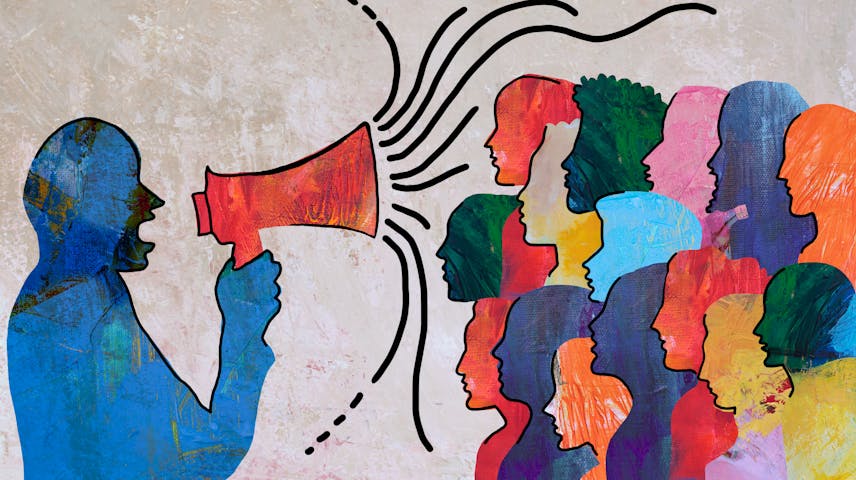
Unit 3: Recovery & Reciprocity: Ecology, Science & Our Natural World
Duration: 9 weeks
Knowledge-Building Topic
Reciprocity and Restoration: How ecology, scientific observation, and cultural knowledge illuminate the connections between human beings and natural systems.
Essential Questions
Investigation 1: What does it mean to live responsibly within natural systems?
Investigation 2: How do different disciplines and traditions, including scientific inquiry and cultural knowledge, help us understand our relationship to the natural world?
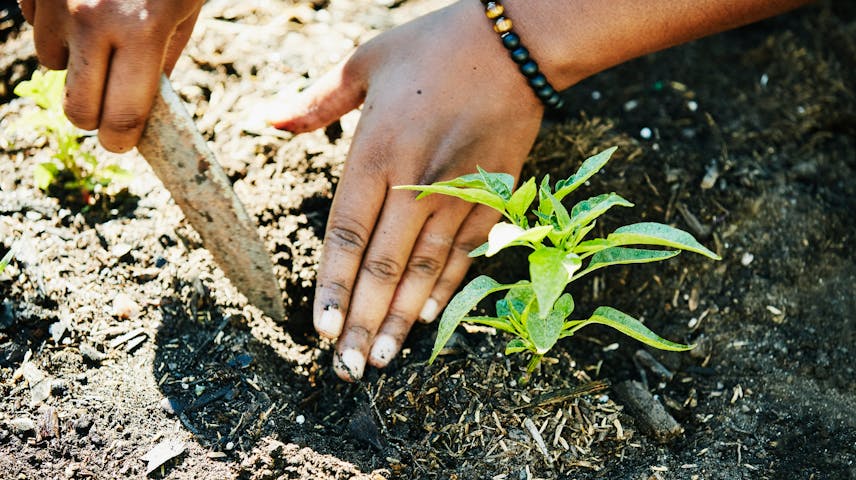
Unit 4: Stories for the Future: Preserving Memory & Culture
Duration: 9 weeks
Knowledge-Building Topic
Futuristic worlds, human memory, and storytelling: How storytelling helps us understand how memory works, and how stories preserve cultural knowledge and identity across time.
Essential Questions
Investigation 1: How does memory help us understand who we are, and what is lost when memory disappears?
Investigation 2: How do stories help communities survive change and imagine a future worth building?

Teacher Resources
(17 total)Navigation Guide8 MB
PreviewDifferentiation Playbook1 MB
PreviewELA Design Framework1 MB
PreviewUniversal Access Handbook1 MB
PreviewELA OPTEL Observation Tool123 KB
PreviewELA Routines Guide1 MB
PreviewGrade 8 Strategic Reading: Text Selections & Complexity719 KB
PreviewIndependent Reading Guide936 KB
PreviewReviewer Resources
(8 total)Digital Access Information & Navigation Guide11 MB
PreviewGrade 8 ELD Standards Map (Mapping DOCX)584 KB
DownloadReviewer Presentation Video (May 2026)
WatchProgram 1 Description246 KB
PreviewGrade 8 ELA Standards Map (Mapping DOCX)50 KB
DownloadProgram 2 Description255 KB
PreviewEvaluation Criteria Map: Program Type 1254 KB
DownloadEvaluation Criteria Map: Program Type 2307 KB
Download