Loading...
Unit 1: Roots & Remembrance: Civic Life & Shared Histories
California CCSS: Focus Standards
ELD Standards
- Unit Type
- Core
- Suggested Pacing
- 9 Weeks
- Performance Task
- Multimedia Civic Memory Brief
Suggested Pacing
| Unit Arc | Instructional Time | Essential Question | Key Milestones |
|---|---|---|---|
Spark | 3 lessons | How does storytelling become a tool for civic change? |
|
Investigation 1 | 18 lessons | How does the interplay of word and image convey the struggle for civil rights? |
|
Investigation 2 | 18 lessons | What is Civic Memory, and what is its role in our democracy? |
|
Unit Context
Knowledge Building Topic
The Civil Rights Movement and Civic Memory: How history, personal testimony, and non-violent protest can change an entire nation, creating opportunities to learn from the past to impact the future.
I'm Learning About
how segregation laws, court rulings, and grassroots organizing shaped daily life in the 1960s.
how activists used nonviolent protest, visuals, and narrative to reveal injustice.
how stories become part of civic memory and shape civic life today.
Knowledge Goals
Investigate the political, legal, and social systems that maintained segregation and shaped daily life in the Jim Crow era.
Analyze how March: Book One uses panels, dialogue, sequencing, and visual rhetoric to depict injustice and activism.
Evaluate how March: Book One and different media shape civic memory and influence how historical events are interpreted over time.
Corroborate events in March with primary sources to deepen understanding of the Civil Rights Movement.
Knowledge-Building Questions
What political, legal, and social systems maintained segregation during the Jim Crow era, and how did these systems shape people's daily lives?
How does John Lewis use the visual language of a graphic memoir to show what life and protest looked like before and during the Civil Rights Movement?
How do primary sources and different types of media enhance and deepen our understanding of the Civil Rights era?
Essential Questions
Investigation 1: How does storytelling become a tool for civic change?
Investigation 2: What is civic memory, and how does testimony help us remember and learn?
Unit Texts
Novel
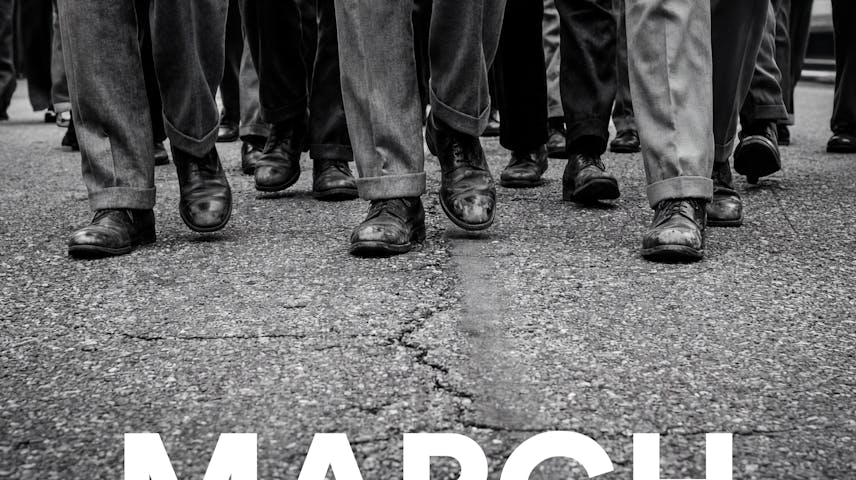
March: Book One
John Lewis, Andrew Aydin, Nate Powell
Short-Form Text
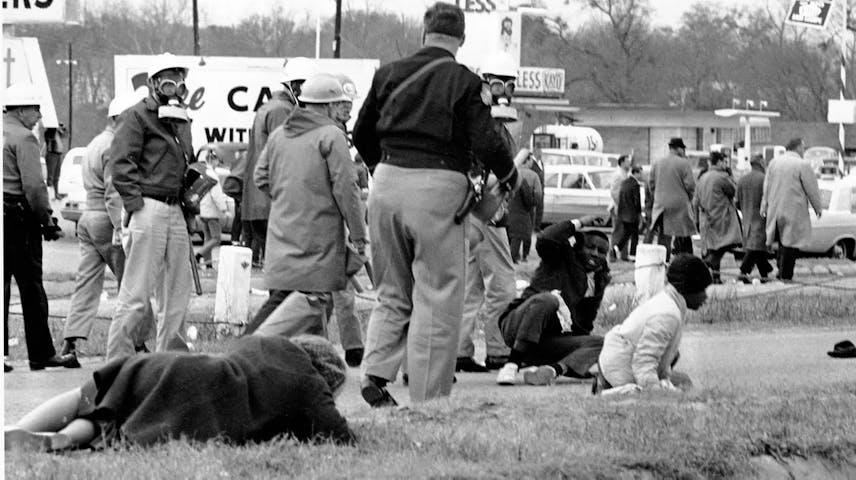
A Look Back at Bloody Sunday in Selma, Alabama
Standard News Bureau
Read text
Short-Form Text
Confrontations for Justice
National Archives
Read text
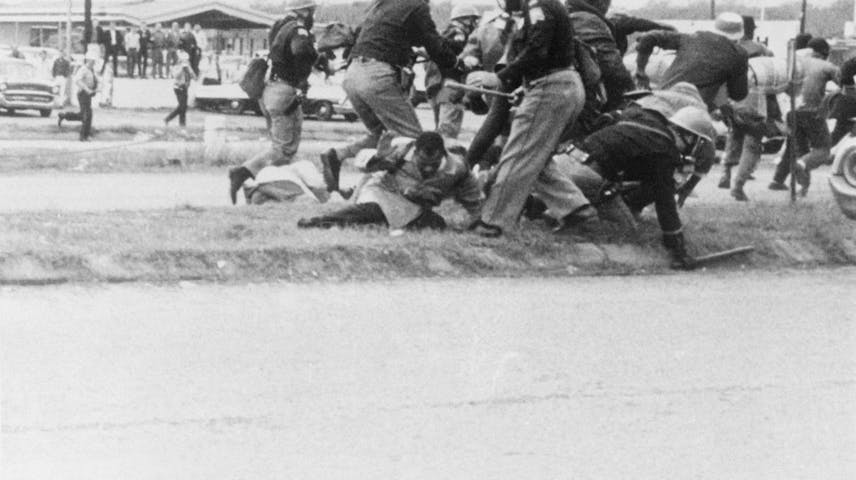
Short-Form Text
Congressman John Lewis
Academy of American Achievement
Read text
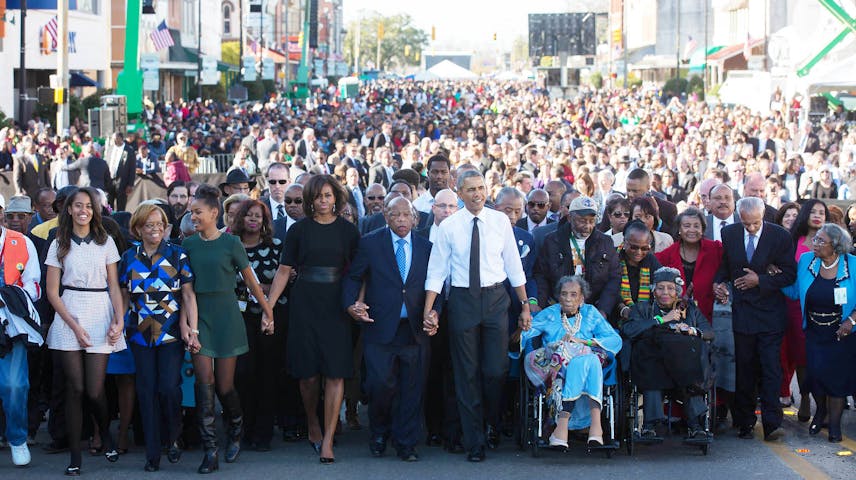
Short-Form Text
Eric Reid: Why Colin Kaepernick and I Decided to Take a Knee
Eric Reid, New York Times
Read text
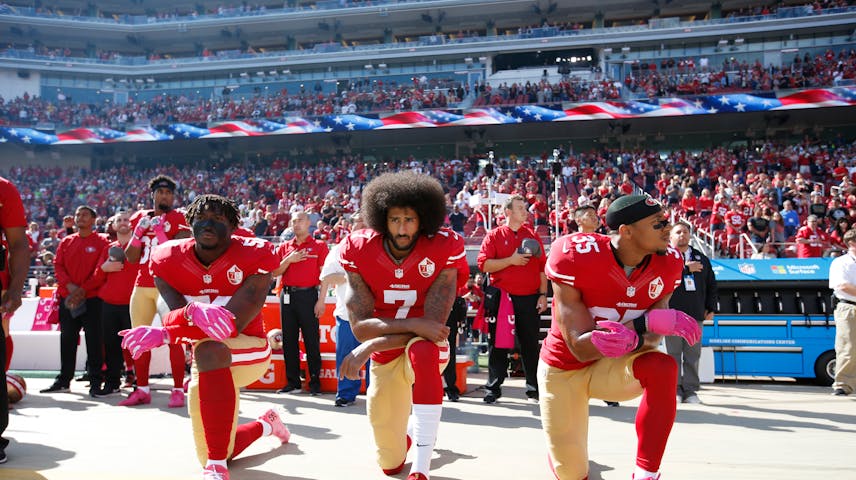
Short-Form Text
History of Brown v. Board of Education
National Park Service, adapted by Newsela
Read text
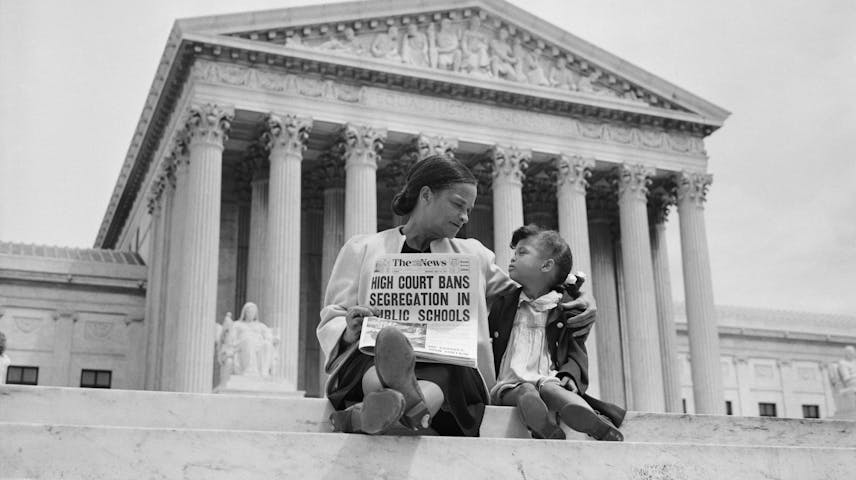
Short-Form Text
Jim Lawson Conducts Nonviolence Workshops in Nashville
SNCC Digital Gateway, SNCC Legacy Project
Read text
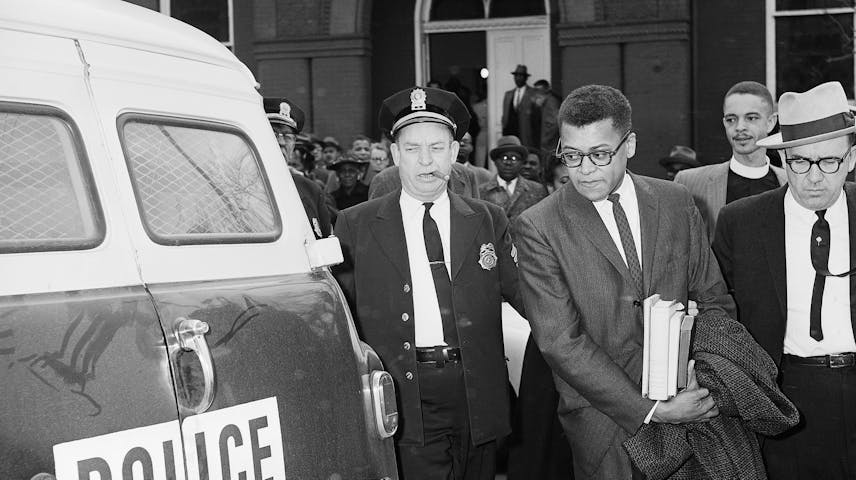
Short-Form Text
Mayor Stops Boycott Talk
Joe Azbell, The Montgomery (Alabama) Advertiser
Read text
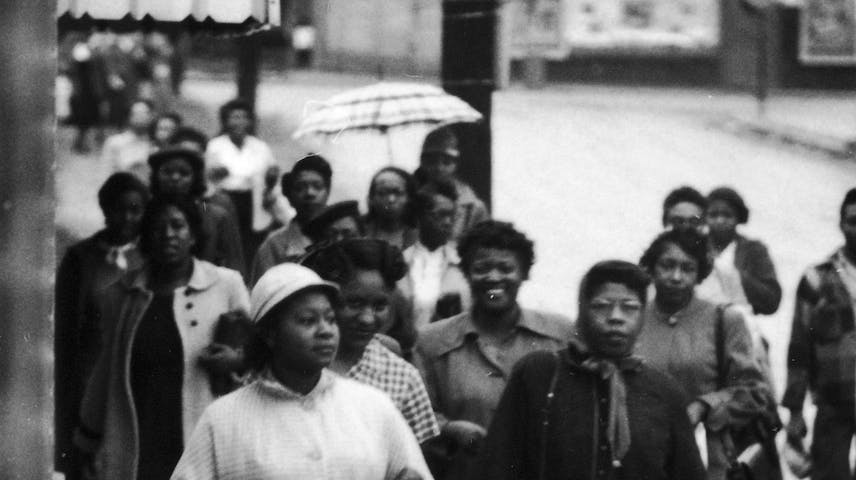
Short-Form Text
Rep. John Lewis: An Oral History of Selma and the Struggle for the Voting Rights Act
John Lewis, TIME
Read text
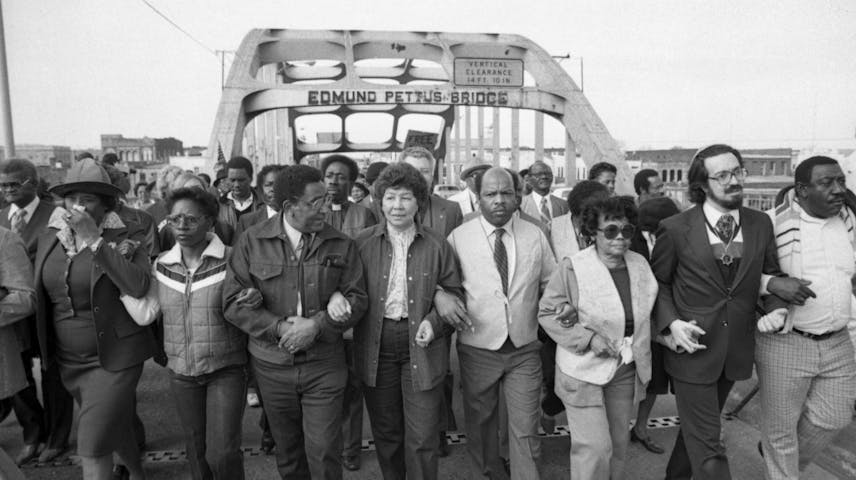
Short-Form Text
Rosa Parks
Library of Congress
Read text
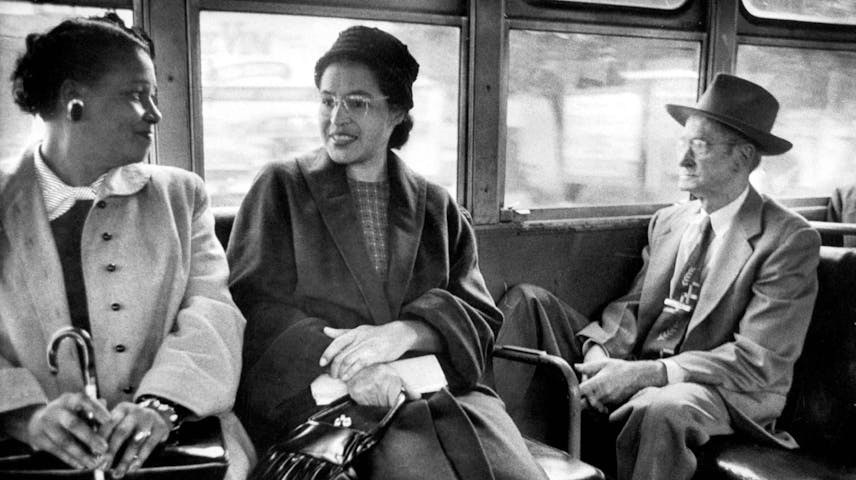
Short-Form Text
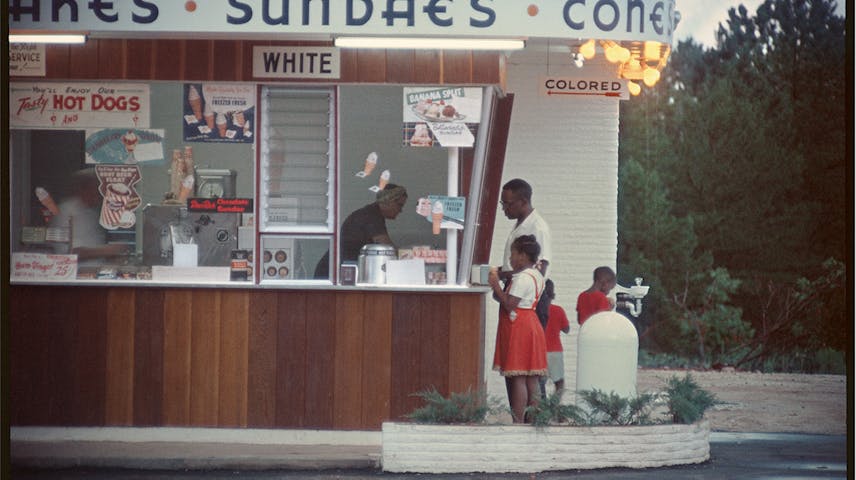
Segregation Story, 1956
Gordon Parks Foundation
Read text
Short-Form Text
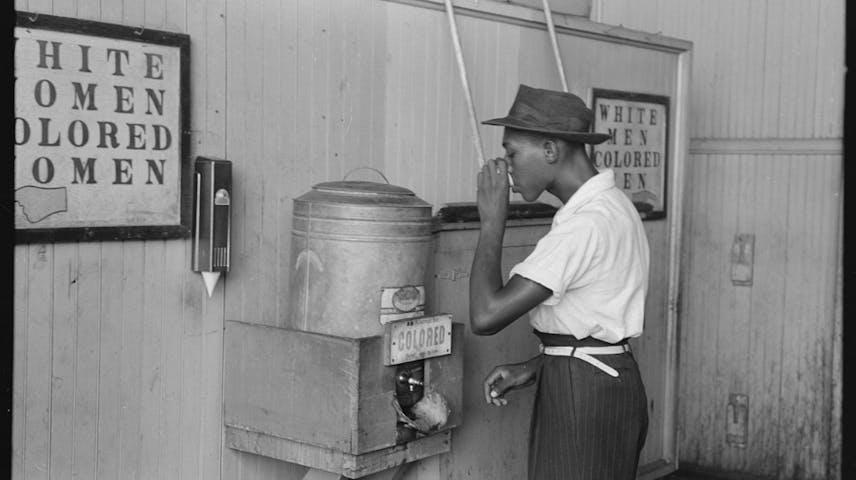
Separate and Unequal: Jim Crow and the Road to Civil Rights
Standard News Bureau
Read text
Short-Form Text
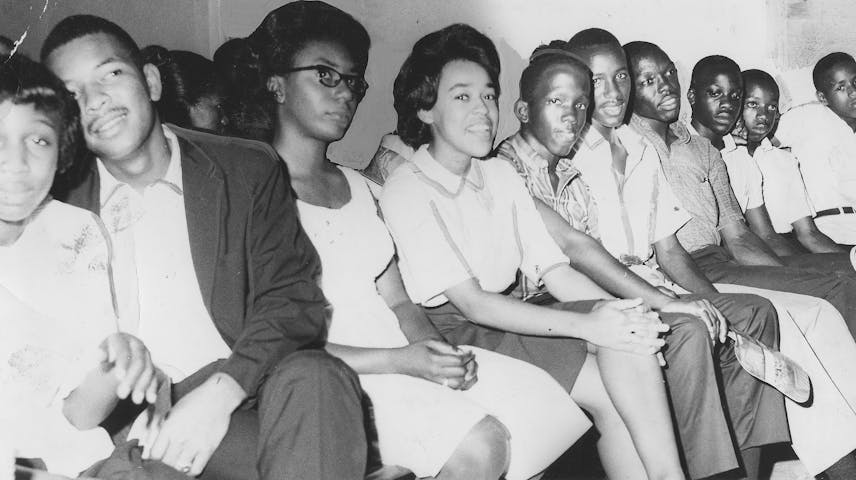
SNCC Statement of Purpose
Student Nonviolent Coordinating Committee
Read text
Short-Form Text
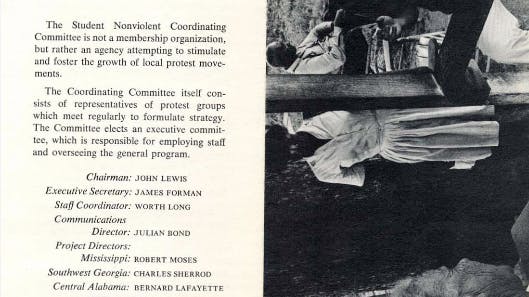
SNCC: Structure and Leadership
The Student Nonviolent Coordinating Committee
Read text
Short-Form Text
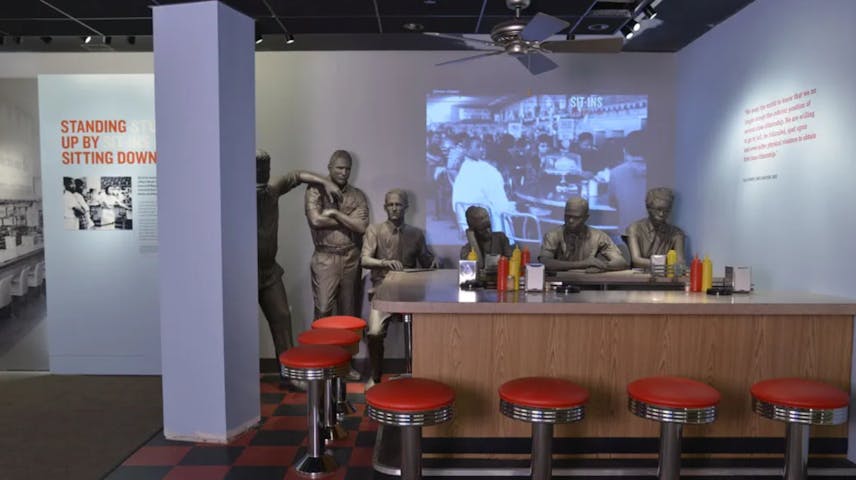
Standing Up by Sitting Down
National Civil Rights Museum
Read text
Short-Form Text
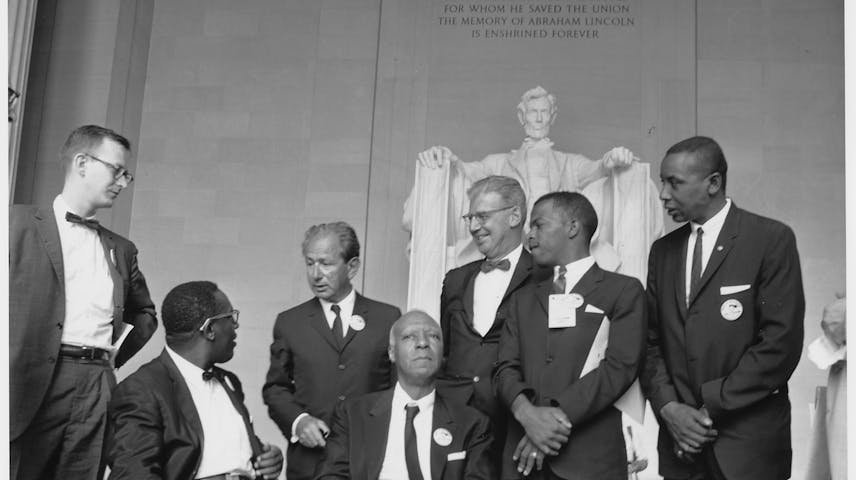
The Boy From Troy—How John Lewis Empowered America
B. J. Hollars, Alabama Heritage
Read text
Short-Form Text
The Civil Rights Act of 1964: A Long Struggle for Freedom
Library of Congress
Read text