Loading...
Unit 4: Myths, Monsters & Modern Stories
California CCSS: Focus Standards
ELD Standards
- Unit Type
- Core
- Suggested Pacing
- 9 Weeks
- Performance Task
- Shared Stories, Shared Lessons

Suggested Pacing
| Unit Arc | Instructional Time | Essential Question | Key Milestones |
|---|---|---|---|
Spark | 3 lessons | Why do cultures tell stories, and what do those stories reveal? |
|
Investigation 1 | 17 lessons | Why do cultures tell stories about gods, monsters, journeys, and transformations? |
|
Investigation 2 | 18 lessons | How do stories from different cultures explore danger, courage, or the unknown? |
|
Unit Context
Knowledge Building Topic
Greek and World Mythology: How ancient stories explain the unknown, express cultural values, and continue to shape modern storytelling.
I'm Learning About
why cultures create stories about gods, monsters, and origins.
how Greek mythology shapes Percy Jackson’s world.
how stories from different cultures describe danger, courage, or the unknown.
how authors adapt traditional stories for modern readers.
how myths express cultural values and ways of understanding the world.
Knowledge Goals
Analyze key elements of Greek mythology—gods, monsters, the Underworld, and prophecy—and connect them to their adaptations in The Lightning Thief.
Compare myths from different cultures to identify similarities and differences in purpose, structure, and cultural values.
Evaluate how Riordan adapts classical mythology for a modern audience, analyzing the craft choices he makes as an author.
Use textual evidence to explain how mythic stories reflect the beliefs and worldview of the cultures that created them.
Knowledge-Building Questions
How did ancient cultures use myths to explain the natural world, human experience, and the unknown?
How do Greek gods, monsters, and the Underworld shape Percy's world and identity in The Lightning Thief?
How do stories from different cultures approach danger, challenge, and the supernatural—and what do they share?
How does Percy's quest draw from and adapt classical mythological traditions?
Essential Questions
Investigation 1: Why do cultures create stories about gods, monsters, journeys, and transformations?
Investigation 2: How do stories from different cultures explore danger, courage, or the unknown?
Unit Texts
Novel
The Lightning Thief (Percy Jackson and the Olympians, Book 1)
Rick Riordan
Short-Form Text
Ancient Greeks
USHistory.org
Read text
Short-Form Text
Ancient Greeks: Gods, Goddesses and Heroes
USHistory.org
Read text
Short-Form Text
Ancient Greeks: Truthseekers
USHistory.org
Read text
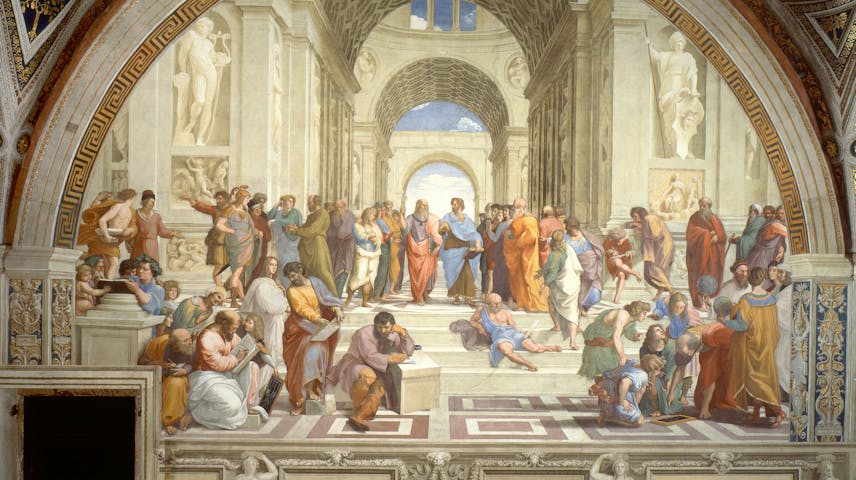
Short-Form Text
Homer’s The Iliad Book 1 Excerpt
Homer, translated by Samuel Butler
Read text
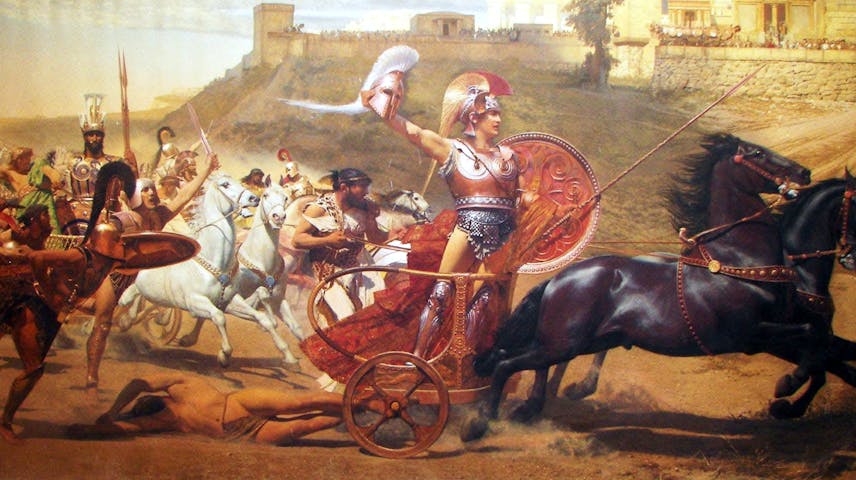
Short-Form Text
Homer’s The Odyssey Book 13 Excerpt
Homer
Read text
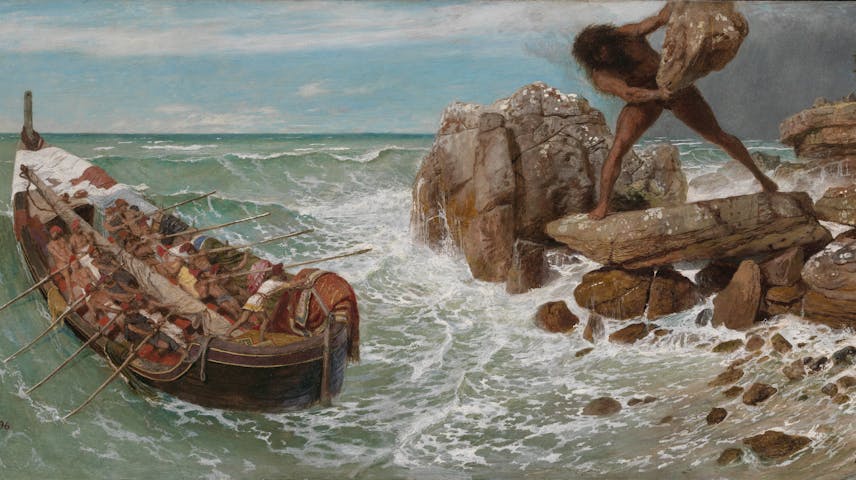
Short-Form Text
Percy Jackson and Mythology
Library of Congress, adapted by Newsela
Read text
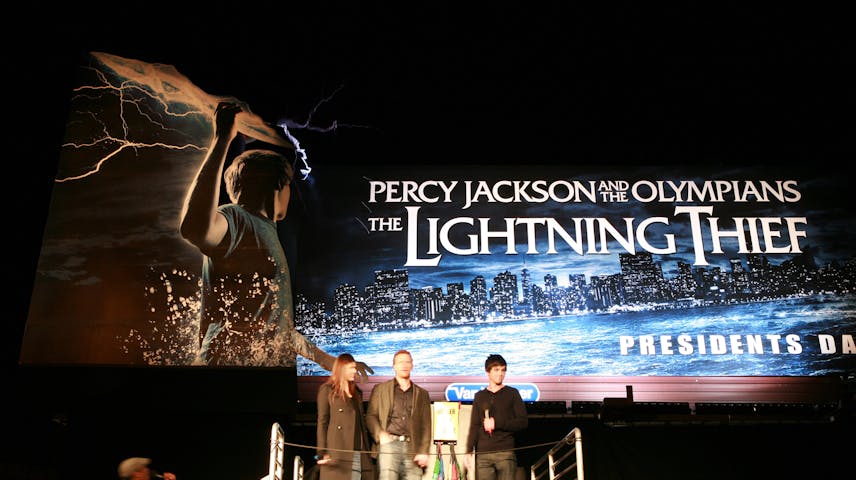
Short-Form Text
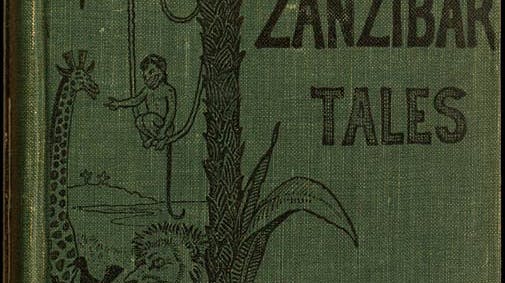
The Hare and the Lion
From Zanzibar Tales
Read text
Short-Form Text
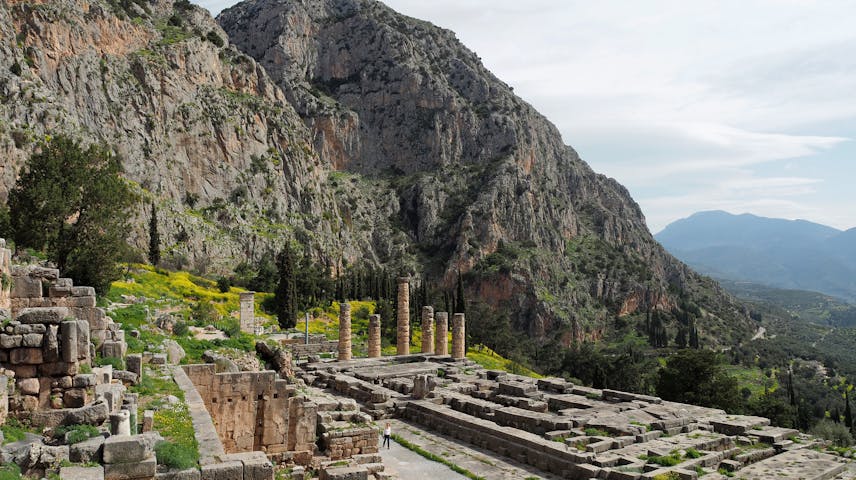
The Oracle of Delphi
Standard News Bureau
Read text
Short-Form Text
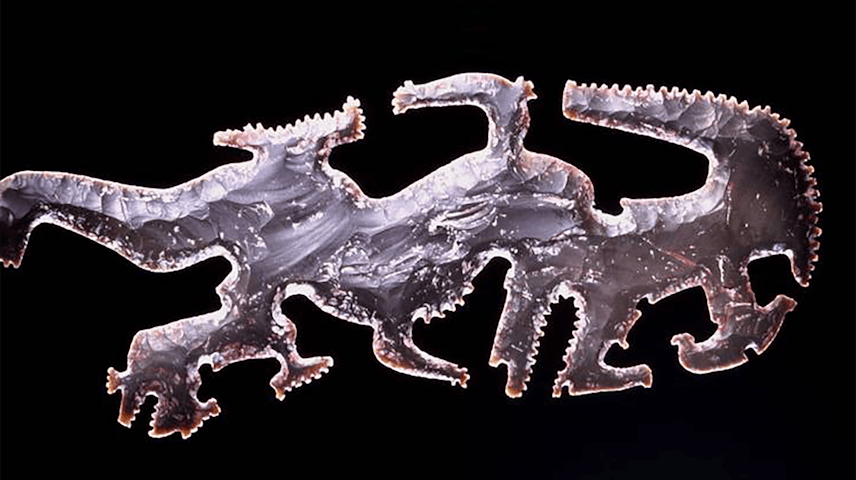
The Popol Vuh: The Mythic and Heroic Sagas of the Kʼicheʼ People of Central America
Members of the Kʼicheʼ Maya nobility, translated by Lewis Spence
Read text
Short-Form Text
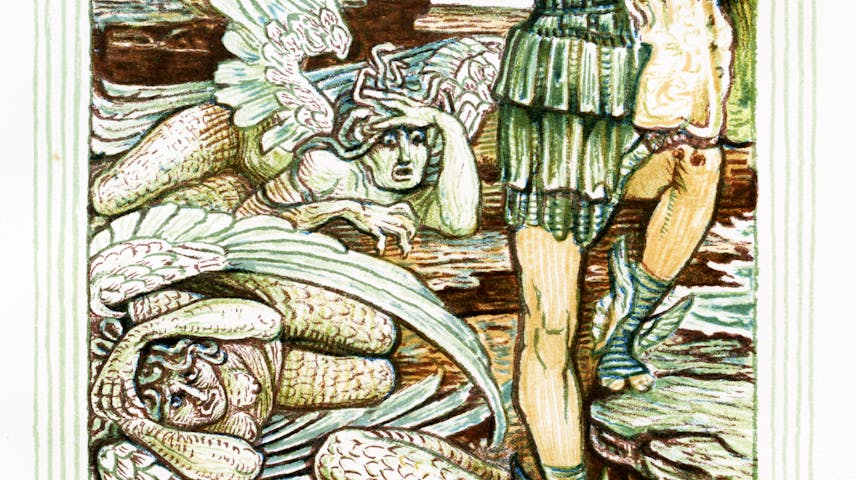
The Quest of Medusa’s Head
James Baldwin, Old Greek Stories
Read text
Short-Form Text
The Raven Myth
Collected in Myths and Legends of Alaska, by Katharine Berry Judson
Read text
Short-Form Text
The Song of Ares and Aphrodite
Homer, from the Odyssey
Read text
Short-Form Text
Virgil’s Aeneid Book 6 Excerpt
Virgil
Read text
Short-Form Text
What Are Myths?
Tanu Wakefield, Newsela staff
Read text