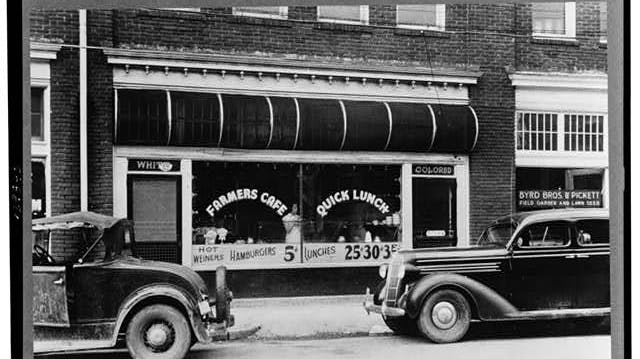
For more than 100 years after the Civil War, Black Americans were denied the full rights and freedoms that all citizens are promised. A system of unfair rules called Jim Crow Laws kept Black and white Americans in the Southern states separated in almost every part of daily life.
Background: What Happened After the Civil War?
In 1863, President Lincoln signed the Emancipation Proclamation, which was a major step toward ending slavery in the United States. After the Civil War ended, three important changes —called amendments—were made to the Constitution:
13th Amendment (1865): Officially ended slavery in America.
14th Amendment (1866): Said that all people born in the U.S. were citizens, and that the government had to treat everyone equally and fairly.
15th Amendment (1869): Said that no one could be stopped from voting because of their race.
These were huge steps forward, but sadly, they didn’t protect Black Americans the way they were supposed to.
What Were Jim Crow Laws?
Right after the Civil War, some states, mostly in the South, started making rules that restricted what Black Americans could do in their everyday lives. By the late 1800s, these rules were commonly called “Jim Crow” laws—a name taken from an old, racist song called “Jump Jim Crow” that was in minstrel theatre shows.
These laws were not one single national law. Instead, they were a mix of state and local rules that varied from place to place. Here are some examples of what life was like under Jim Crow:
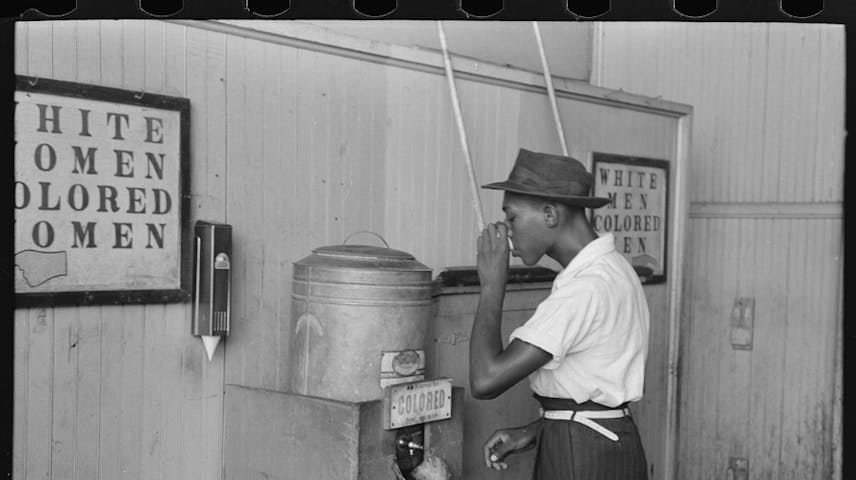
Black Americans had to use separate water fountains, restrooms and waiting areas labeled “Colored” while white Americans used ones labeled “Whites Only.”
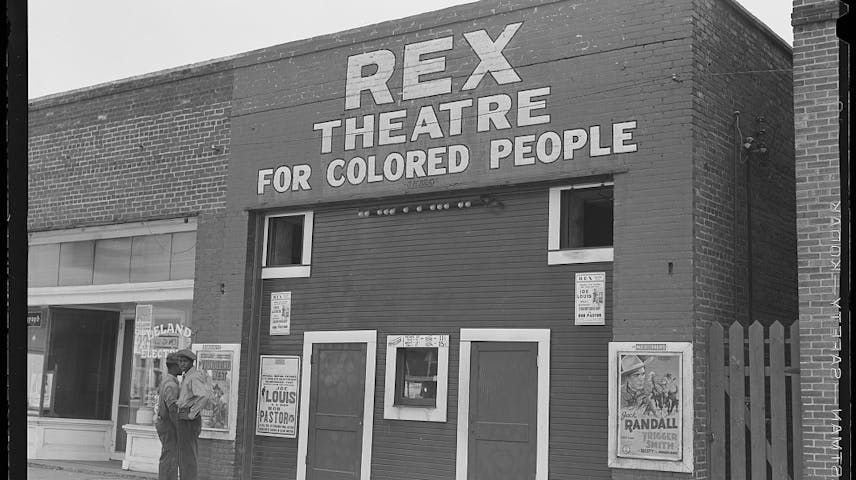
Hotels, restaurants, movie theaters, schools, hospitals and even churches were segregated, meaning Black and white people were kept apart.
Black Americans were often blocked from voting through tricks like unfair literacy tests and poll taxes (fees to vote that many people couldn’t afford).
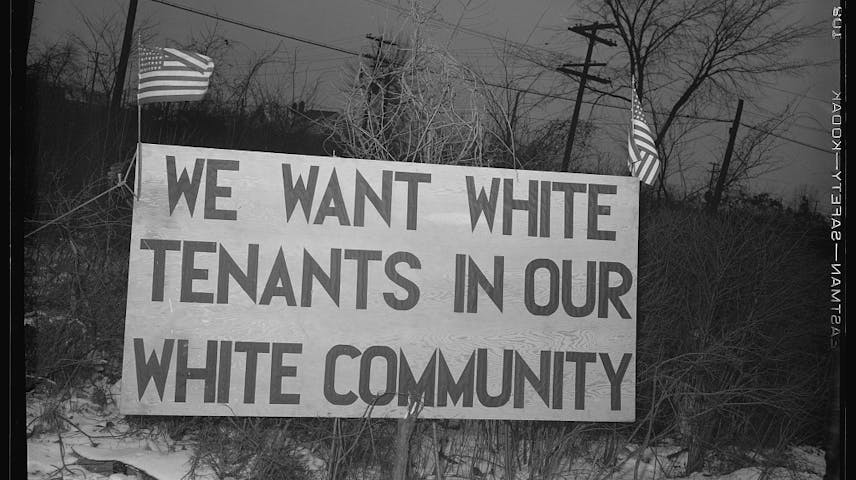
In many towns, Black families were forced to live in certain neighborhoods.
Marriages between Black and white people were illegal.
How Was Segregation Enforced?
Sometimes the police enforced these rules. Other times, violent groups of white people used fear and threats to keep Black Americans from exercising their rights. The federal government, which should have protected citizens, largely looked the other way.
How Did Black Americans Respond?
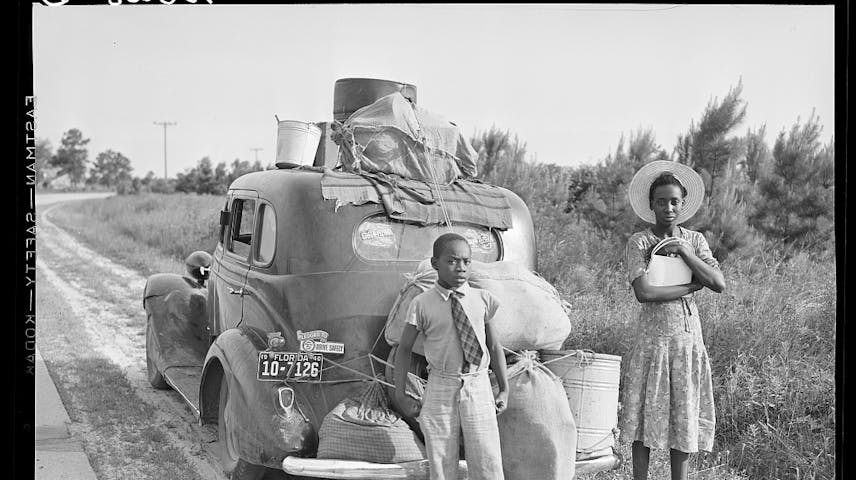
Black Americans never stopped fighting for their rights. They used many strategies, including speaking out publicly, nonviolent protest, organizing politically and defending themselves. Millions of Black families moved from the South to Northern states—a movement called the Great Migration—hoping for better opportunities, only to face discrimination there, too.
How Did the Civil Rights Movement End Jim Crow Laws?
By the mid-1900s, decades of resistance had grown into the powerful Civil Rights Movement. Black Americans held marches, sit-ins, and protests to demand the rights promised to them by the Constitution. Their courage and determination led to major victories:
Brown v. Board of Education (1954): Made separate public schools based on race unconstitutional.
Civil Rights Act of 1964: Made it illegal to discriminate based on race in public places and employment.
Voting Rights Act of 1965: Helped protect Black Americans’ right to vote.
These laws put an end to many Jim Crow policies. However, the effects of over 100 years of segregation are still felt today, and the fight for true equality for all people continues.
Work Cited
Library of Congress. “Jim Crow and Segregation.” https://www.loc.gov/classroom-materials/jim-crow-segregation/.