Loading...
Unit 3: Dreams & Barriers: Researching Opportunity in America
California CCSS: Focus Standards
ELD Standards
- Unit Type
- Research
- Suggested Pacing
- 9 Weeks
- Performance Task
- Argument Essay
Suggested Pacing
| Unit Arc | Instructional Time | Essential Question | Key Milestones |
|---|---|---|---|
Spark | 3 lessons | How do dreams shape who we are, and what happens when systems stand in our way? |
|
Investigation 1 | 19 lessons | How do dreams shape who we are, and what happens when systems stand in our way? |
|
Investigation 2 | 16 lessons | How can understanding others’ struggles help us speak up and act for fairness today? |
|
Unit Context
Knowledge Building Topic
The American Dream and Modern Opportunity: How housing segregation, historical forces, and evidence-based inquiry reveal the complexity of the American promise.
I'm Learning About
how life goals reveal identity, hope, and personal aspiration.
how redlining and housing segregation shaped opportunity for many American families.
how the American Dream has been experienced differently across communities and time periods.
how housing, education, and economic factors shape opportunity today.
Knowledge Goals
Analyze how mid-century housing policies, redlining, and segregation shaped the dreams and opportunities available to different families.
Evaluate how Hansberry's characters use their dreams to confront historical and social barriers in A Raisin in the Sun.
Synthesize evidence from literary, primary, and informational sources to build a well-supported claim about fairness and opportunity.
Write a structured argumentative essay with a clear claim, evidence from multiple sources, counterclaim, and reasoning.
Knowledge-Building Questions
How did redlining, housing segregation, and economic policy shape the opportunities available to different families in mid-century America?
How does A Raisin in the Sun use its characters' dreams and conflicts to explore the promises and limits of the American Dream?
How have housing, education, and economic circumstances changed since mid-century—and where do disparities in opportunity persist?
How can research and evidence-based argument help us understand and address complex questions about fairness and access?
Essential Questions
Investigation 1: How do our dreams shape who we are, and how do historical circumstances shape what becomes possible?
Investigation 2: How can understanding the experiences of others help us think critically about fairness and opportunity?
Unit Texts
Novel
A Raisin in the Sun
Lorraine Hansberry
Short-Form Text
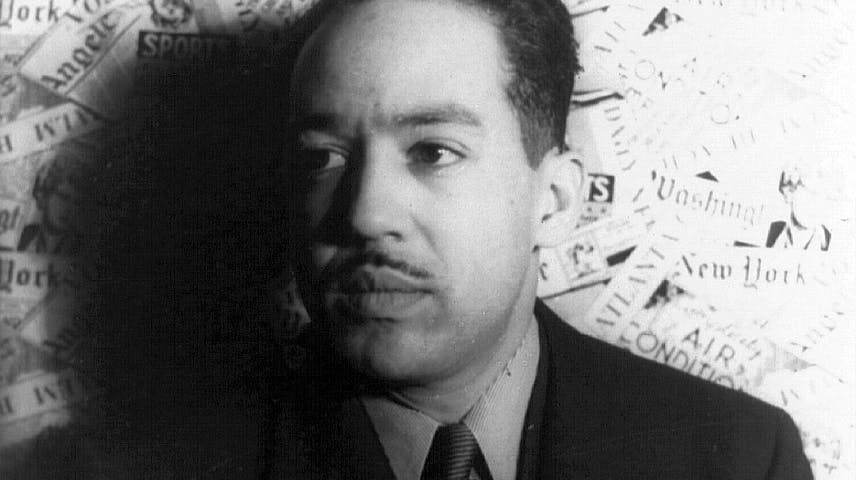
“Harlem”
Langston Hughes
Read text
Short-Form Text
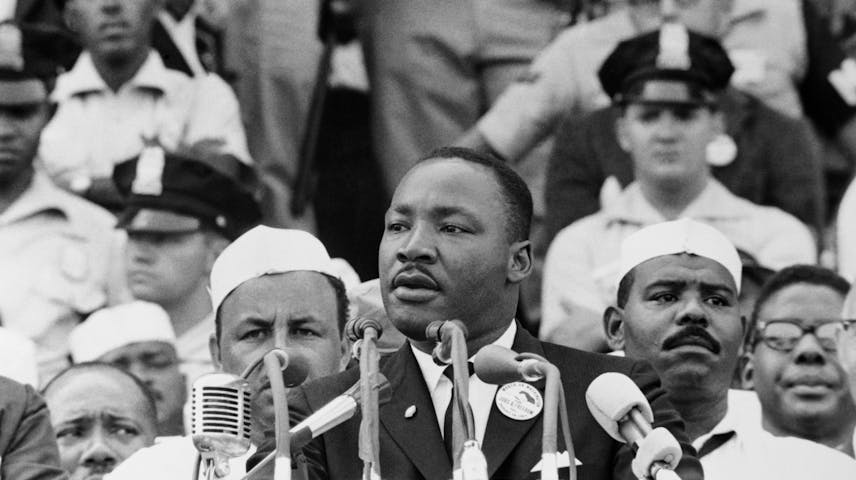
“I Have a Dream”
Martin Luther King Jr.
Read text
Short-Form Text
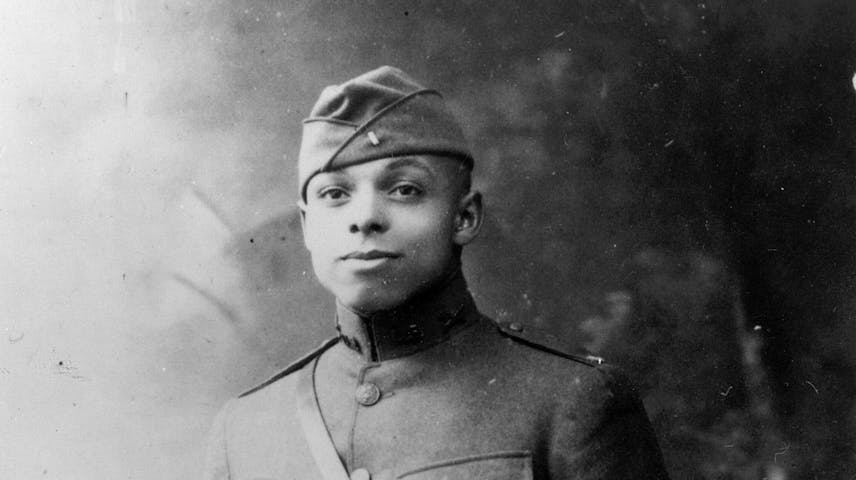
Black Americans and the Racist Architecture Of Homeownership
Ailsa Chang, Christopher Intagliata, Jonaki Mehta, NPR
Read text
Short-Form Text
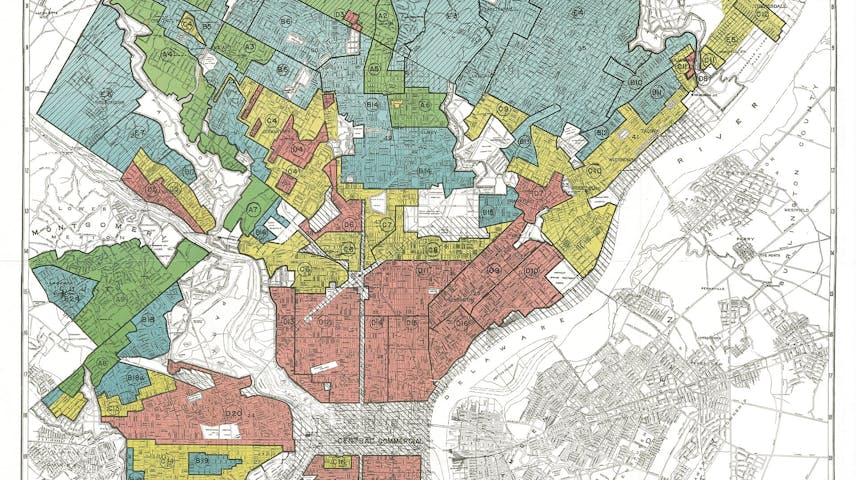
Redlining: How Housing Discrimination Shaped American Neighborhoods
Standard News Bureau
Read text
Short-Form Text
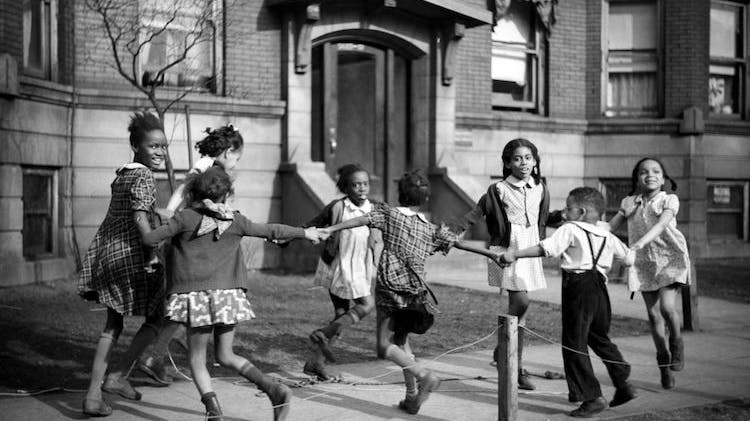
Striking Black and White Photos Capture the Black Experience in 1940s South Side Chicago
Edwin Rosskam, Library of Congress
Read text