Loading...
Writing
Lesson 5: The Lightning Thief, Comparision Writing, Part 1
California CCSS: Focus Standards
California CCSS: Supporting Standards
ELD Standards
In this lesson
Today you will
Compare Percy and Soongoora and analyze how repeated tricks in “The Hare and the Lion" develop the idea that cleverness can challenge power and community rules.
Use comparative transitions, embedded evidence, and concluding language to write a cohesive explanatory paragraph that connects multiple examples across a text
Orally rehearse comparative sentences using signal words such as while, unlike, and both . . . and.
Essential Question
Why do cultures tell stories about gods, monsters, journeys, and transformations?
Texts used in this lesson
Novel
The Lightning Thief (Percy Jackson and the Olympians, Book 1)
Rick Riordan

Short-Form Text
The Hare and the Lion
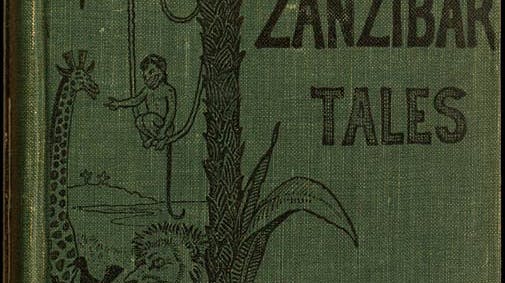
From Zanzibar Tales
Read text
Lesson Sequence
Turn-and-Talk
In many fictional stories, the author repeats a pattern to build that idea over the course of the text. Today, we’ll look for patterns in “The Hare and the Lion.”
Directions: Turn and talk to discuss your response to the question below.
What patterns do you notice across the story “The Hare and the Lion”?
Language Study
Building Cohesive Comparison
In this lesson, you will study how writers connect ideas across texts in one clear, focused sentence. Strong explanatory writing doesn’t list separate points; it links them using comparison words, embedded evidence, and an explanation of what that evidence shows.
Directions: Read the following model sentence:
While Percy’s experience of constantly being blamed for things he didn’t cause shows how adults hold power over him, Soongoora’s clever tricks reveal how intelligence can challenge an unfair balance of power.
Which word signals the comparison in this sentence?
What evidence is included from Percy’s story?
What evidence is included from Soongoora’s story?
Which words explain what the evidence means?
What bigger idea connects both texts?
To build a cohesive comparison sentence, we:
use a comparison word like while or unlike
embed evidence from each text
explain what the evidence shows
connect both ideas to a shared concept
This helps our writing sound connected instead of choppy.
With a partner, orally rehearse a comparison sentence using while, unlike, or both … and. Include one idea from each text and explain what they show.
Part A: Gather Comparative Evidence
Think-Pair-Share
Directions: With your partner, review your annotations from the museum scene in Chapter 1 and “The Hare and the Lion” as you find evidence to respond to the following prompt:
Compare how Percy and the hare respond to the experience of being controlled by those more powerful than themselves.
As you fill in your Venn diagram, put Percy-only details on the left, Soongoora-only details on the right, and shared ideas in the middle. Use examples from the text to support your ideas.
Part B: Draft and Refine the Paragraph
Modeled Writing
Directions: Use your Venn diagram to draft one explanatory paragraph in your journal. Include a clear topic sentence, at least one relevant detail from each text, at least one comparative transition, and a concluding statement that explains the shared idea. Before you begin drafting, say your first two sentences aloud to your partner. Include more than one example from the hare tale or use language such as repeatedly or throughout the story to show a pattern.
What does your paragraph suggest about the impact of an imbalance of power?
Reflection |
|---|
Reflect on your writing abilities using the Reflection routine.
|
Quick Write
Directions: In two or three sentences, describe one strategy you used that helped you to write an effective explanatory paragraph that compared characters using details from both texts.