Loading...
Spark
Lesson 1: The Stories That Preserve Our History and Culture
California CCSS: Focus Standards
California CCSS: Supporting Standards
ELD Standards
In this lesson
Today you will
Explore how knowledge is recorded and shared by drawing connections between the central ideas in a folktale and an informational article.
Exchange ideas and use observation and inference sentence frames with evidence to explain how storytelling connects to memory, identity, and survival.
Compare and contrast how a folktale and an informational article explain why stories matter.
Essential Question
How does memory help us understand who we are, and what is lost when memory disappears? How do stories help communities survive change and imagine a future worth building?
Texts used in this lesson
Short-Form Text
10 Things: Going Interstellar
NASA
Read text

Short-Form Text
How We Have Turned Memories and Stories into Histories
Big History Project, adapted by Newsela staff
Read text
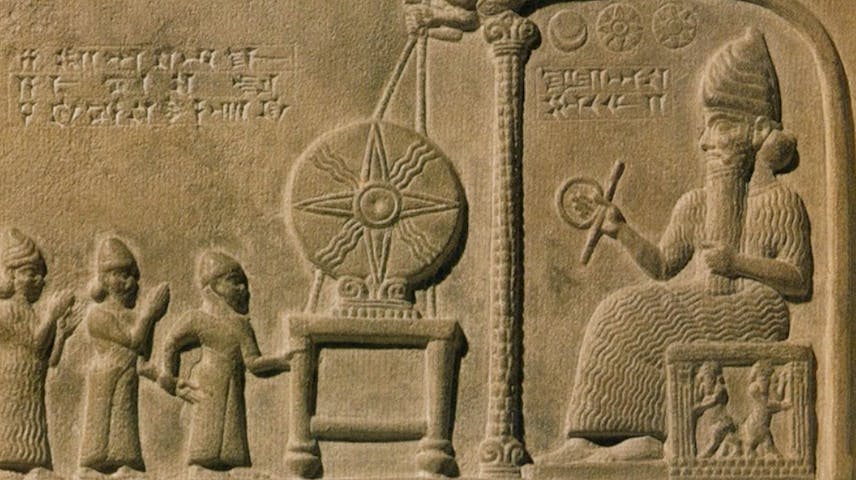
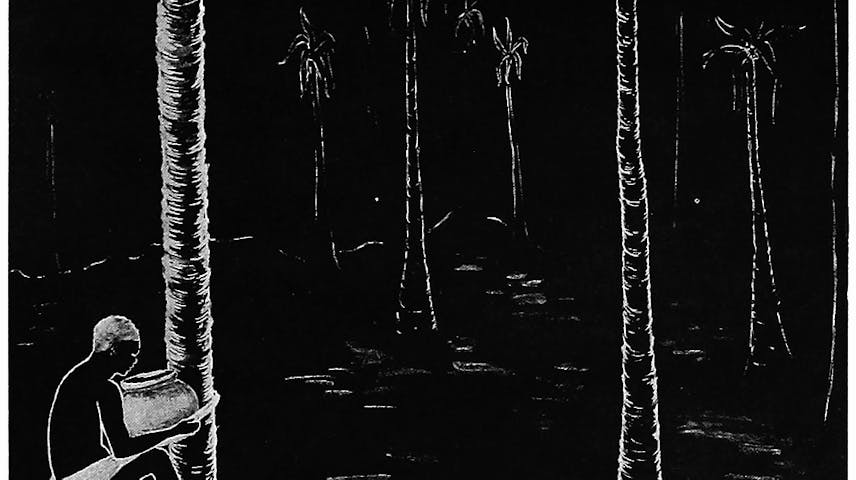
Short-Form Text
How Wisdom Became the Property of the Human Race
Compiled by W. H. Barker and Cecilia Sinclair, in the book West African Folk-Tales.
Read text
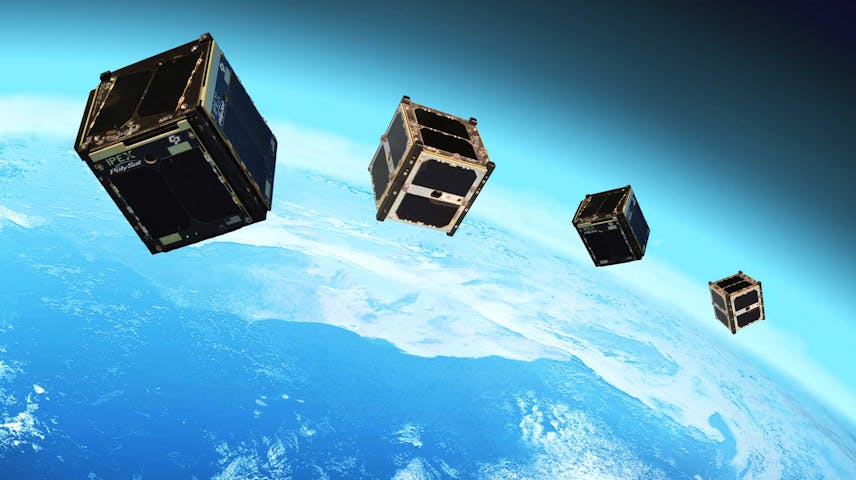
Short-Form Text
These Sci-Fi Visions for Interstellar Travel Just Might Work
Ramin Skibba and Les Johnson, Wired Magazine
Read text
Lesson Sequence
Turn and Talk
Directions: As we read the folktale, consider the lesson the story conveys. Then, take turns discussing the following questions with a partner.
Father Anansi owns all the wisdom at the start. Do you think that is actually possible? Why or why not?
How does Kweku Tsin know to suggest a different way to reach the top of the tree?
What does this folktale explain about how wisdom should work in the world?
Part A: Annotating for Central Ideas
Close Read & Annotation Protocol
Directions: You will read an informational article that considers why humans record and share stories and histories. As you read, think about the central idea the article conveys. Look for repeated ideas or words, such as history, stories, and memory. Consider the main message the author wants you to think about these key topics.
Directions: With your partner, annotate for the following:
Reasons humans have recorded history throughout time
References to memory, identity, or survival
Examples of why oral traditions are as important as evidence-based histories
Participate in the class discussion of the following questions:
According to the article, what is one reason humans record stories?
Why are oral stories as important as evidence-based histories?
Part B: Making Connections Between Texts
Give One, Get One
Directions: You will now make connections between the folktale and the informational article. For each question, find at least one detail from each text and explain how they connect.
The article suggests that stories have always been humanity’s most powerful tool for survival. How does this idea connect to the Anansi story? Use at least one piece of evidence from both texts to support your answer.
The Anansi story was told long before anyone wrote it down. What does that suggest about the purpose of this specific example of the oral tradition?
What message does each text communicate about knowledge, and what shared idea do they reveal when considered together?
Reflection |
|---|
Reflect on your ability to make connections across texts using the Reflection routine.
|
Quick Write
Directions: Read the question below and then write a brief response (two to three sentences) in your journal. Use at least one detail from the folktale and one from the article in your response.
What might happen if stories about our past were to disappear?