Loading...
Spark
Lesson 2: Ancient Greece Before Percy
California CCSS: Focus Standards
California CCSS: Supporting Standards
ELD Standards
In this lesson
Today you will
Cite evidence from multiple informational texts to explain how features of ancient Greek life and belief could shape myths.
Combine facts and predictions using because, since, and precise domain-specific vocabulary.
Reread short informational excerpts aloud, pausing at punctuation to support accuracy and meaning.
Essential Questions
Why do cultures tell stories about gods, monsters, journeys, and transformations?
How do stories from different cultures explain the natural world, and what can we learn when we compare them?
Texts used in this lesson
Lesson Sequence
Turn-and-Talk
Directions: Turn and talk with a partner to discuss your response to the questions.
What questions, dangers, or mysteries might people in ancient Greece have explained through myths?
Which clue most shaped your thinking, and how did it help you form your idea?
Jigsaw Reading
Directions: Each expert group will read one short excerpt and become the class expert on that topic. Read your excerpt aloud twice. On the second reading, pause at punctuation to support accuracy and expression.
Next, record two important facts, one domain-specific word you can define using context clues, and one myth prediction that begins with because or since and explains what the myth might show or teach. Then, teach your home group what you learned.
Use these examples:
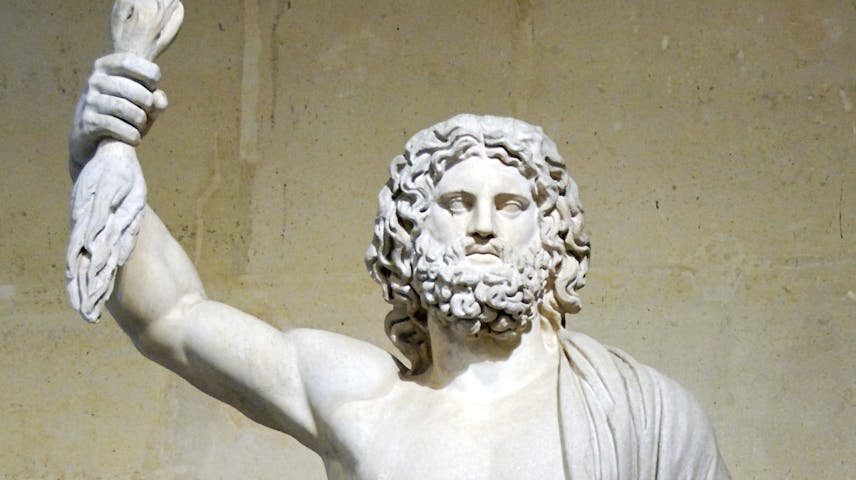
From Ancient Greeks: Gods, Goddesses, and Heroes: the section “5c. Gods, Goddesses, and Heroes,” explaining how Greek gods acted like humans and how myths explained events and taught lessons
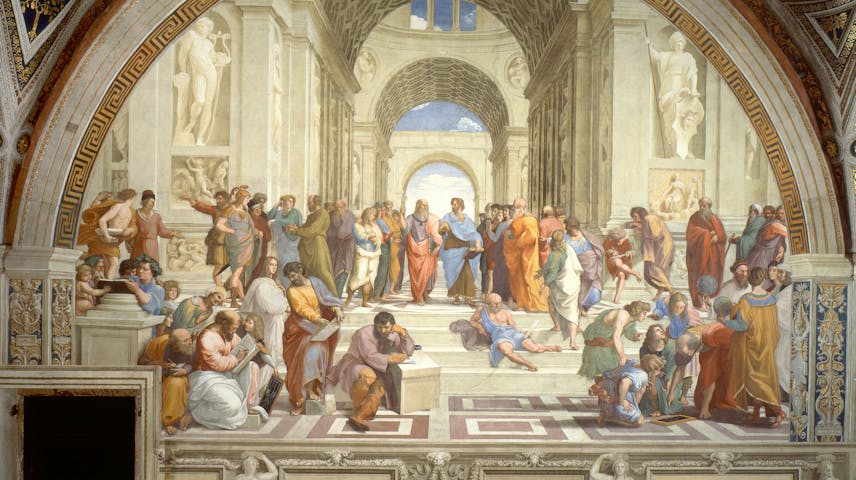
From Ancient Greeks: the section “The First Greeks,” describing geography, city-states, and daily life
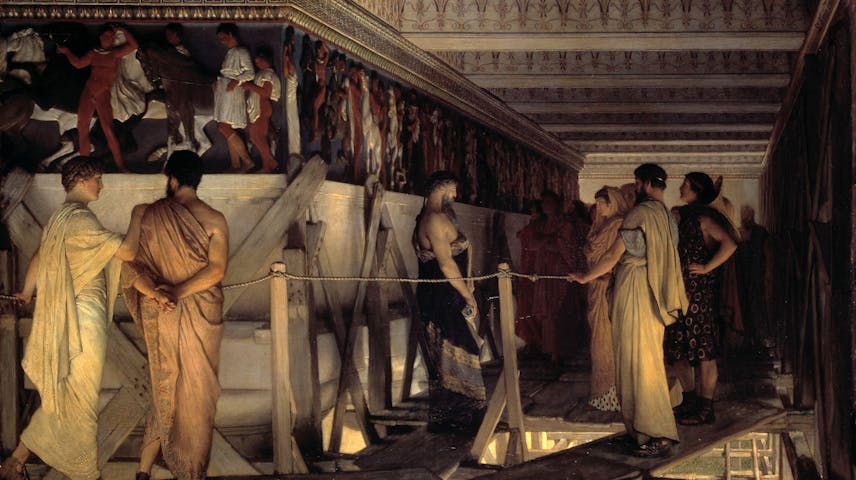
From Ancient Greeks: Truthseekers: the section “5f. Thinkers,” focusing on Socrates and how Greek thinkers used questioning and reasoning to understand the world
Pulse Check |
|---|
Which statement best combines information from more than one text to predict a likely focus of Greek myths?
|
Quick Write
Directions: Use at least two specific details from two different texts in your response.
Which factor do you think most shaped Greek myths—polytheism, city-states and geography, or philosophy? Explain your thinking using evidence from at least two texts.