Loading...
Spark
Lesson 1: Building Background Knowledge: The 1960s, Part 1
California CCSS: Focus Standards
California CCSS: Supporting Standards
ELD Standards
In this lesson
Today you will
Learn about the significant social issues and trends that shaped the 1960s United States with a focus on connections and divisions between people.
Describe key 1960s social connections and divisions by stating a clear claim about an event or trend, using evidence from the Newsela article and Atlantic photo captions, and applying precise noun phrases (e.g., economic inequality, youth subcultures, civil rights protests) plus cause/effect connectors (because/therefore/as a result) and evidence-based talk moves (“One detail suggests . . .).
Build knowledge of vocabulary words in historical context.
Essential Questions
How do relationships and communities shape a person's sense of belonging and identity?
What helps people navigate social differences and see from one another’s perspectives?
Texts used in this lesson
Lesson Sequence
Turn and Talk
Directions: Turn and talk with a partner about the following question to prepare for today’s lesson.
What are some things that connect us to other people?
How do relationships and communities shape a person's sense of belonging and identity? Think about the ideas you shared during your discussion. Consider how different communities—like sports teams or classes—and relationships—like family or friend groups—connect to this question.
When looking at the unit Essential Question: “How do relationships and communities shape a person’s sense of belonging and identity?”, what do you think a sense of identity is?
Part A: The 1960s You Already Know
Pre-Reading
Subculture: a group within a larger society that shares its own style, values, and identity
Counterculture: a movement that rejects mainstream values and promotes different ways of living
What groups do you belong to that have their own style, music, or way of doing things? How does belonging to that group shape how you see yourself?
Think-Pair-Share
Directions: Read the informational article “A Decade of Change: The 1960s in America” with a partner or in a small group. Then think on your own, talk with your partner, and refine your answer before we discuss it as a class.
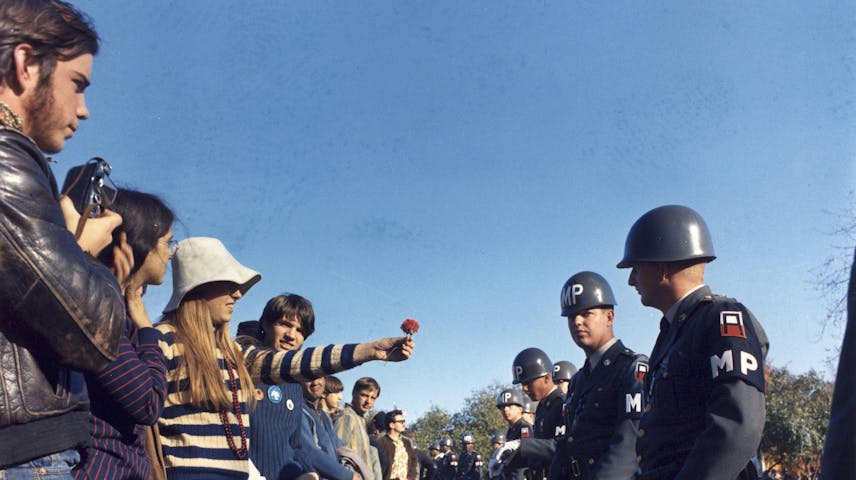
According to the text, what were two or three of the most significant forces dividing Americans in the 1960s? Cite evidence from the text.
The article describes the counterculture and hippie movement as one response young people had to the events of the 1960s. What specifically were hippies responding to? Use the text to explain.
In two sentences, summarize the central idea of this article.
Part B: The 1960s You Might Not Know
Jigsaw Reading/Viewing, Part 1
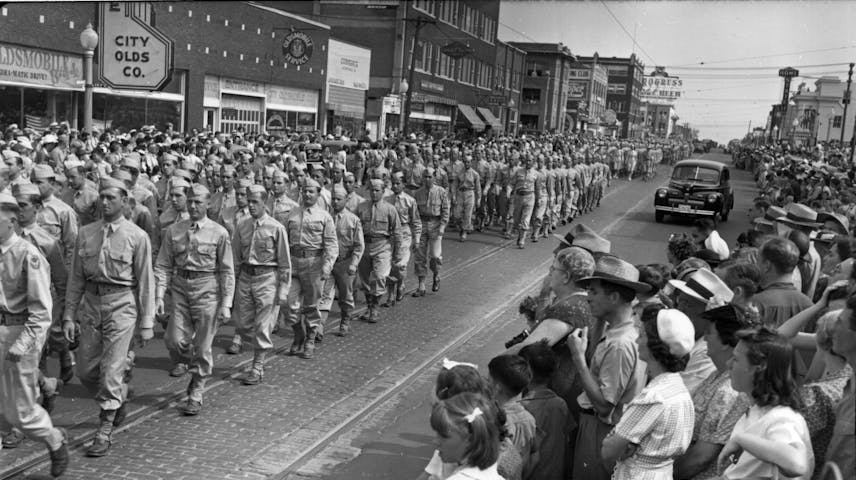
Directions: With your group, study your assigned photographs carefully. Read the caption for each image because it counts as evidence. Use the Jigsaw Worksheet to jot your observations and thinking before you share with a new group in Part 2.
Group | Assigned Photo(s) |
|---|---|
Group 1 | Fig. 1: Independence Day parade, Oklahoma City, 1942 |
Group 2 | Fig. 2: Two young couples in a convertible at a Huddle drive-in restaurant, 1964, with a carhop serving drinks Fig. 3: Packed drive-in movie theater, 1950s |
Group 3 | Fig. 4: 1950s teenager with hot rod Fig. 5: 1950s diner with “squares” enjoying milkshakes |
Group 4 | Fig. 6: Members of the Hell’s Angels stopped by California Highway Patrol, 1966 Fig. 7: The cast of the 1982 film adaptation of The Outsiders |
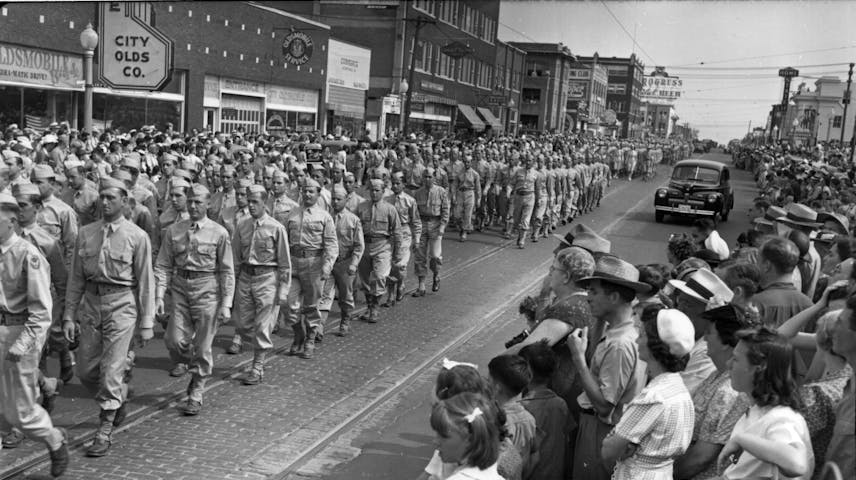
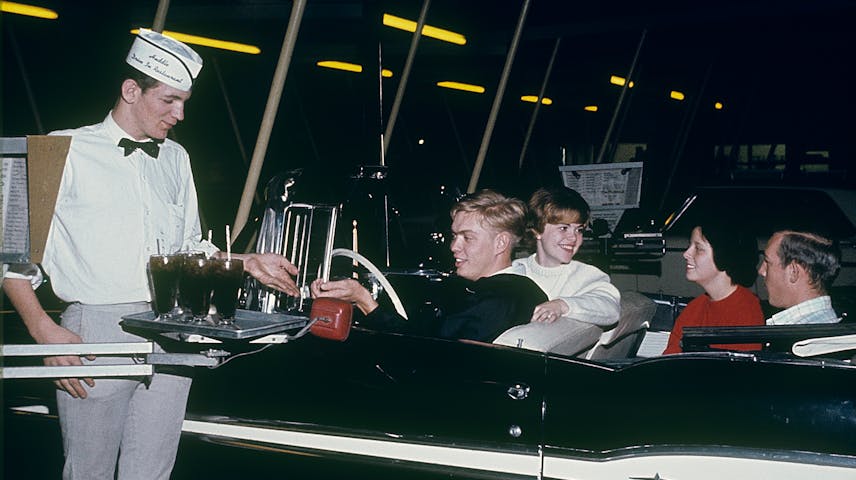
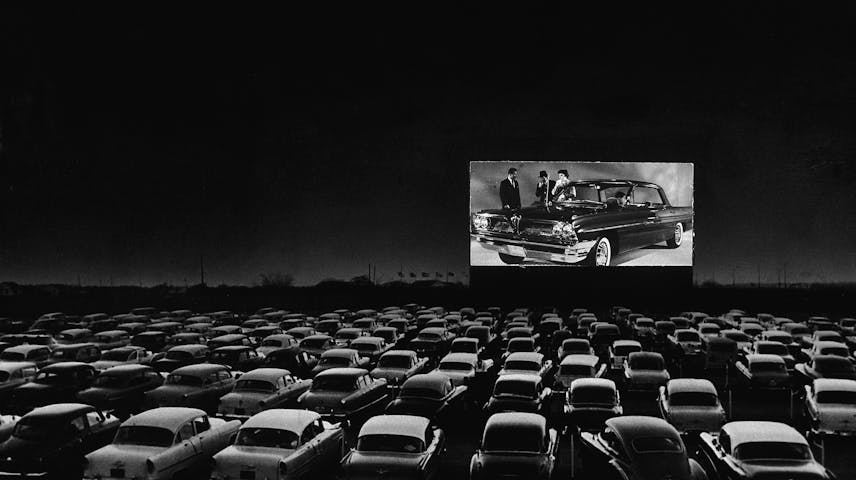
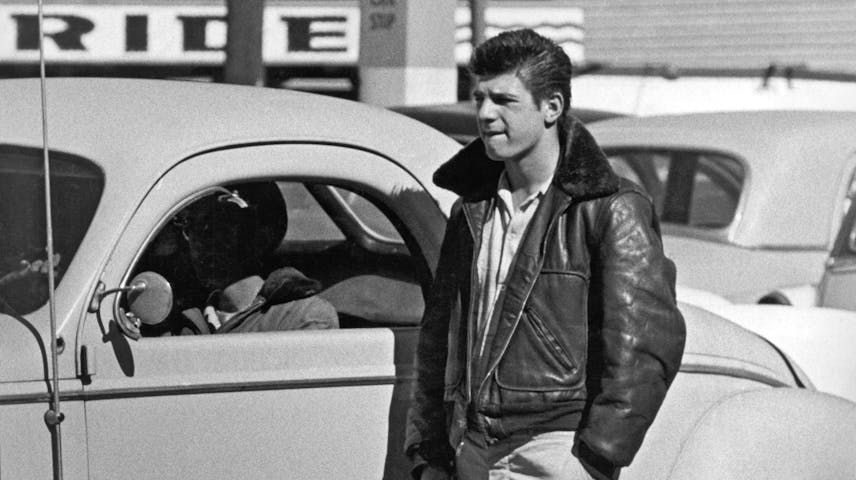
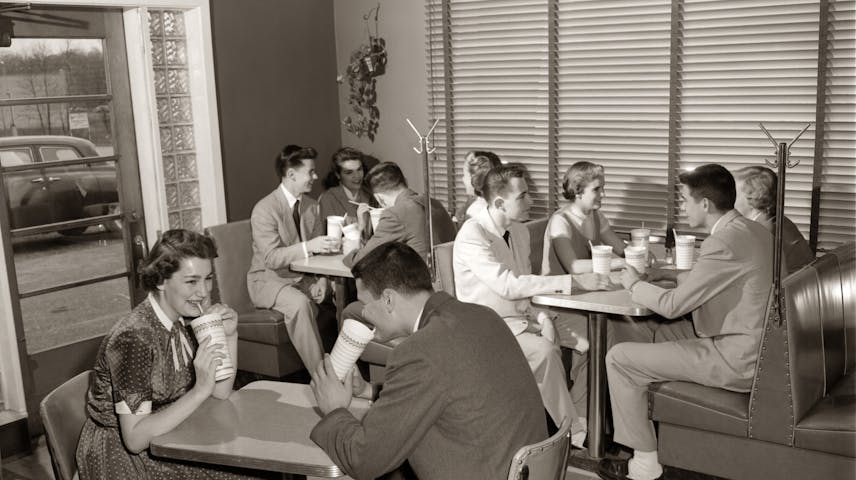
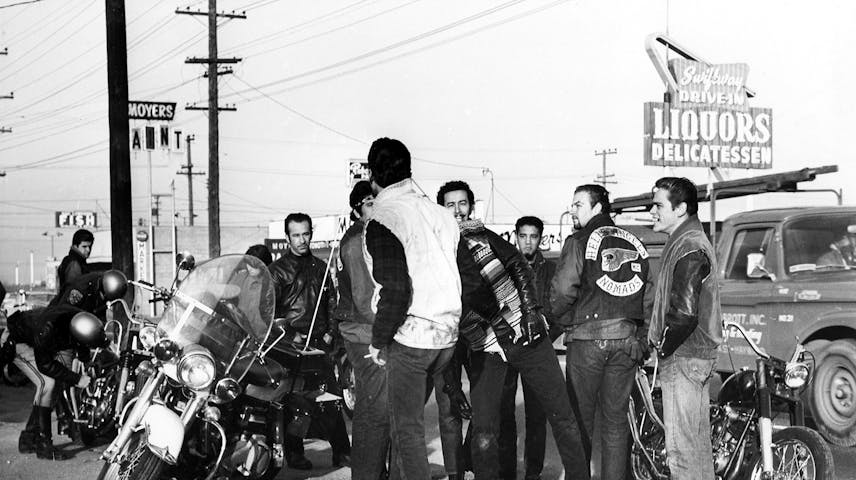
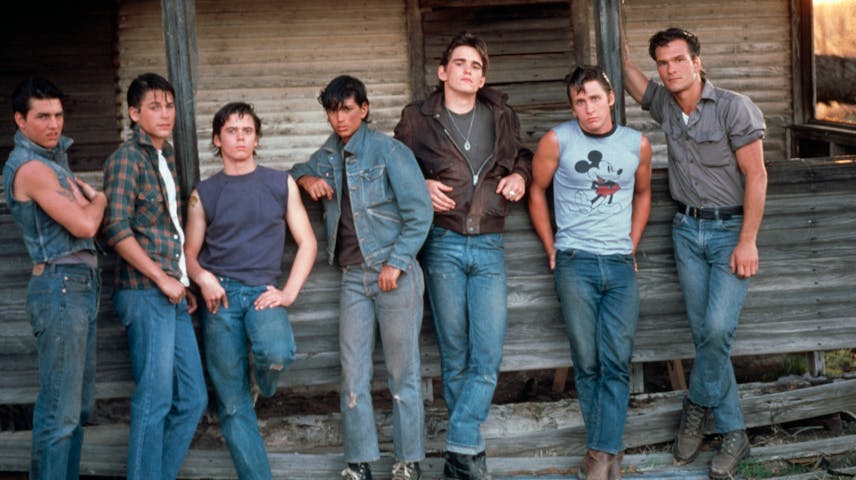
What do you notice in this photograph? Describe who is in it, what they are doing, and any details about clothing, setting, or expression.
What does this image suggest about how teenagers in this era formed their identity or sense of belonging? How does this picture of teen life compare to what you read about in Part A?
Jigsaw Reading/Viewing, Part 2
Directions: In your new group, take turns sharing the photographs you studied and what you observed. As each person shares, the rest of the group listens and records in the T-Chart graphic organizer. Your goal is to collect at least two entries in each column.
Look at both columns of your T-Chart. Could everything in both columns be true about the same decade? What does that tell us?
The photographs in Text 2 do not show protest signs, marches, or political events. Does that mean those teens did not care about what was happening in the country, or does it mean something else?
The final image in Text 2 shows you how the people behind a film adaptation of the anchor text of this unit, The Outsiders, chose to portray its cast. Based on your knowledge of 1960s subcultures, where do you think these characters would best “fit in”?
Pulse Check |
|---|
Which statement best explains what both sources show about the 1960s? A. The decade was mainly about protests and politics. B. The decade was mainly about cars, diners, and drive-ins. C. Different groups of young people experienced the same time period in different ways. D. The photographs prove the article is inaccurate. |
Quick Write
Directions: At the start of class, we named what we thought we knew about the 1960s. Now use at least two specific details from today’s article, photographs, or captions to show how your thinking has changed. Then name one question you still have.