Loading...
Spark
Lesson 2: Building Background Knowledge: When Dreams Wait
California CCSS: Focus Standards
California CCSS: Supporting Standards
ELD Standards
In this lesson
Today you will
Analyze how word choice, punctuation, line breaks, and format shape meaning in “Harlem.”
Explain how a dream may be deferred by using evidence from a photograph and a poem, including precise words such as deferred, punctuation, line break, and tone.
Read a poem aloud with attention to punctuation, pause, and phrasing.
Essential Questions
How do our dreams shape who we are, and how do historical circumstances shape what becomes possible?
How can understanding the experiences of others help us think critically about fairness and opportunity?
Texts used in this lesson
Short-Form Text
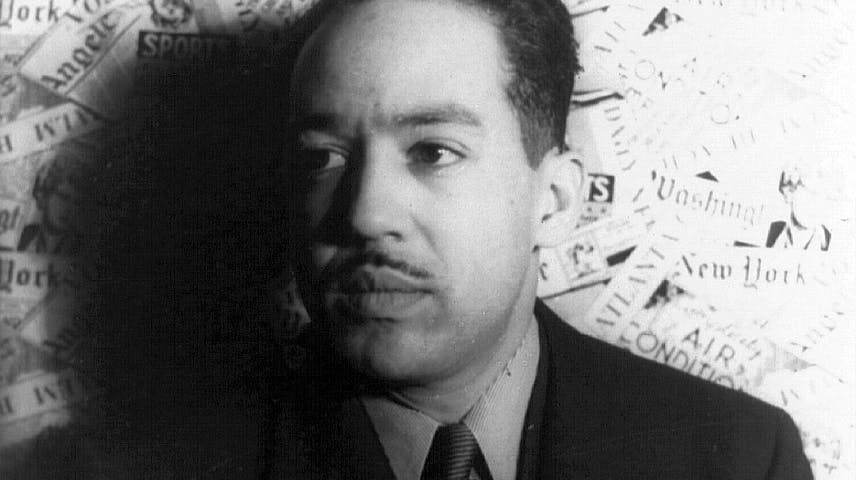
“Harlem”
Langston Hughes
Read text
Short-Form Text
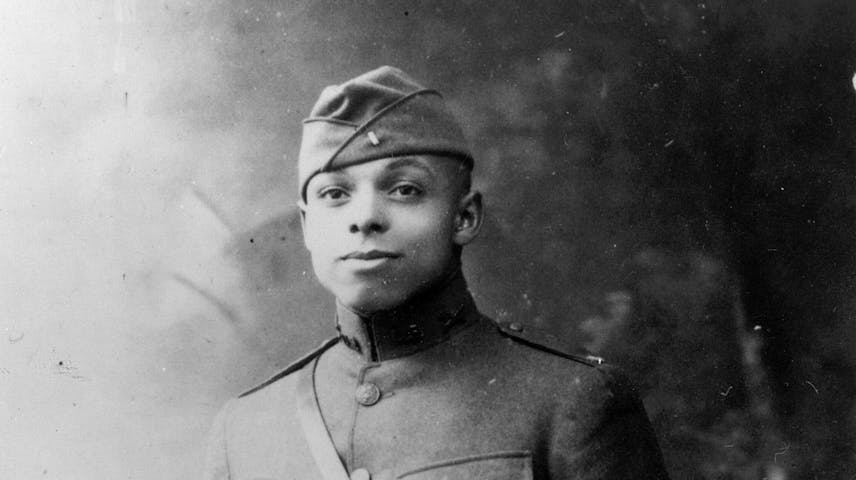
Black Americans and the Racist Architecture Of Homeownership
Ailsa Chang, Christopher Intagliata, Jonaki Mehta, NPR
Read text
Short-Form Text
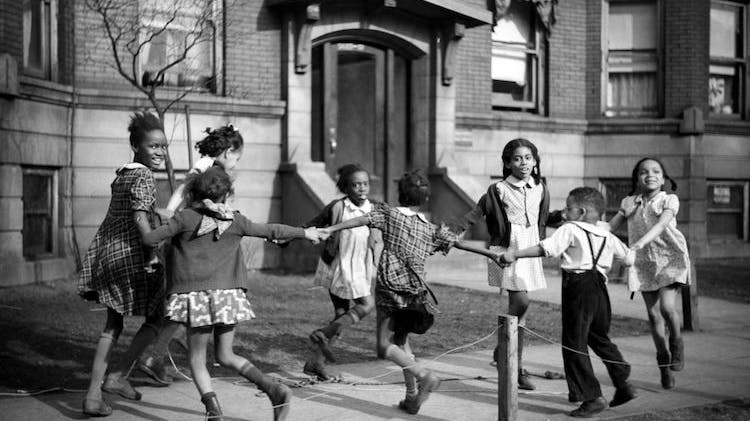
Striking Black and White Photos Capture the Black Experience in 1940s South Side Chicago
Edwin Rosskam, Library of Congress
Read text
Lesson Sequence
Turn-and-Talk
Directions: Think back to the photographs we studied in Lesson 1. Choose one image that you think best responds to the prompt below and be ready to share your ideas. Partner A, share your image choice and one detail from the photo. Partner B, listen for the details and then share your own.
Which image best shows dreaming, and what details lead to that inference?
Inferring Meaning using Context Clues
Based on the opening line of “Harlem,” what do you predict this poem will explore?
Whole-Class Discussion
Poetry Close Read
Directions: You are going to experience this poem three ways: silently on the page, through audio, and through our own voices. Each time, notice something new about how Hughes shapes the idea of a deferred dream.
Read the poem silently once. Then write 2–3 sentences answering the question: What is this poem about?
Directions: Now listen to the audio recording. Pay attention to the reader’s pauses, emphasis, and tone.
What did you notice in the audio version that you did not notice on the page?
What did the reader's voice do that the punctuation or line breaks could not do by themselves?
Choral Reading
Directions: Circle every punctuation mark you see in the poem. Then we will stand and read the poem aloud sentence by sentence, paying attention to how the punctuation changes our pace.
What pattern do you notice in the punctuation?
Why might Hughes end with the shortest question, "Or does it explode?"
Comparing Poetic Mediums
What does the page show you that the audio cannot?
How does seeing those choices on the page affect your experience of the poem?
Why do you think Hughes asks a series of questions instead of giving one final answer?
Pulse Check |
|---|
Which feature of the printed poem most strongly builds tension in a way the audio alone cannot fully show? |
A. The poem includes the word dream. B. The final line stands alone after white space. C. The reader pauses between questions. D. The poem is short and compact. |
Quick Write
Directions: Look back at the class-selected photograph and at the poem “Harlem.” Write a short response that answers both parts of this question:
“What dream might this person have? How might it be deferred?” Use at least one specific visual detail from the photograph and one specific detail from the poem to support your opinion.